
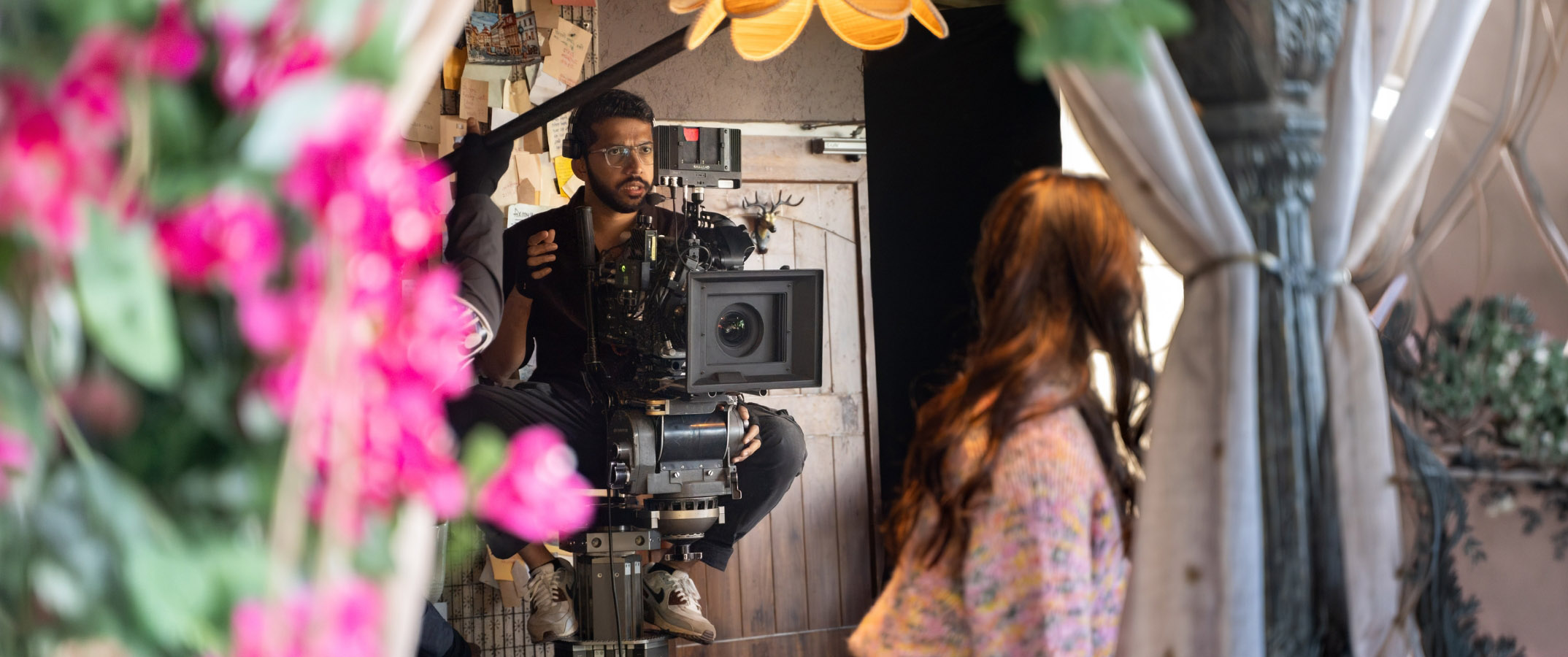
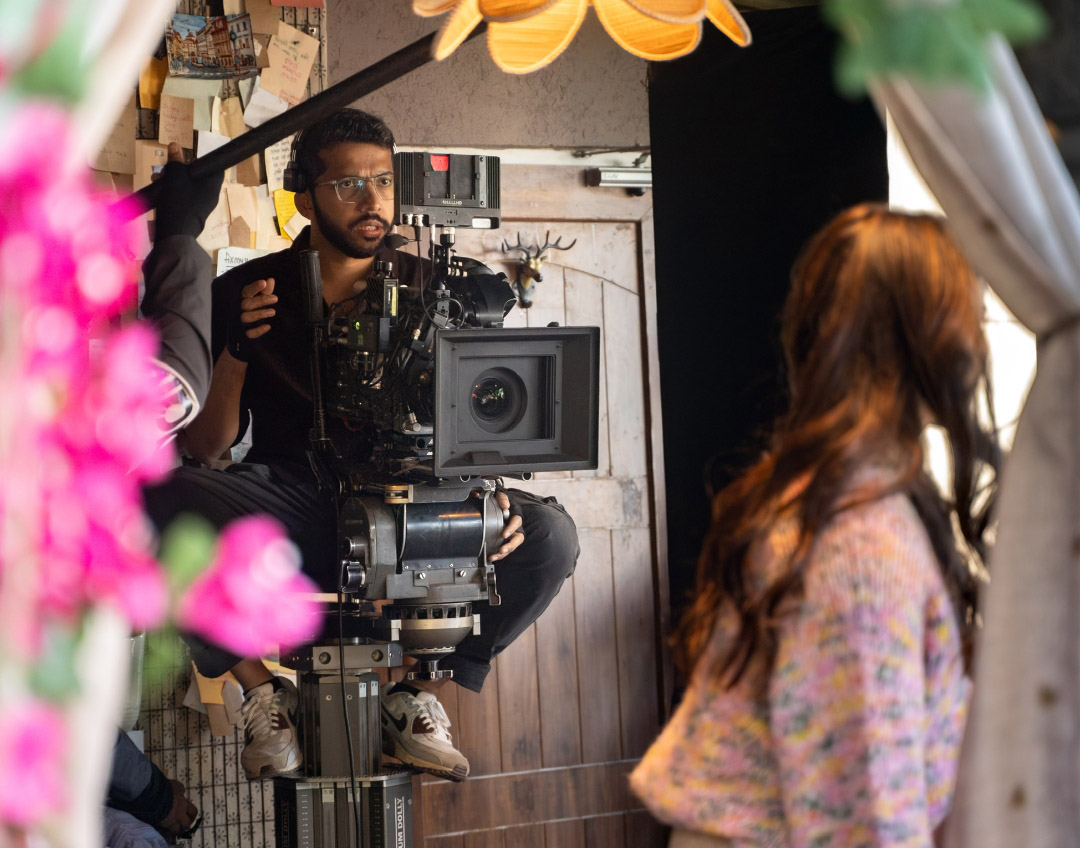
the Sony VENICE:
Soft Light, Rich Colour and the Sony VENICE:
Aniruddha Patankar on Shooting Musafir Cafe
Seasoned web-series cinematographer Aniruddha Patankar, known for his nuanced work on Little Things and collaborations with director Ruchir Arun, chose the Sony VENICE for “Musafir Cafe” to harness its high-ISO latitude and dynamic range, enabling him to capture Mussoorie’s fleeting winter light with rich, accurate colour and retain detail in misty skies.


We often depended on the VENICE’s dynamic range to retain detail in the skies, particularly when the weather was foggy or misty and there was little in the distance for sunlight to fall upon.
Looking back at your journey as a cinematographer, how would you describe the path that led you from assisting and early projects to becoming a Director of Photography? What moments or decisions shaped that transition most significantly?
My early years were shaped by two distinct experiences — working as a BTS cinematographer on feature films, which gave me confidence in on-set execution, and assisting as an AD on a non-fiction production, which offered a different perspective on storytelling altogether. Much of my early independent work involved experimenting within the boundaries of what was available and accepted, always in collaboration with directors who had a strong cinematic sensibility. That environment pushed me to grow. Director Ruchir Arun has been the most significant influence on my development -working with him across the first two or three projects was pivotal in shaping me into the Director of Photography I am today, and I regard him as a mentor in the true sense of the word.
Which project do you consider your breakthrough as a DOP, and why? What key learnings from that experience still influence the way you approach lighting, composition and collaboration today?
“Little Things” Seasons 2 and 3 were key projects in that regard. Learning to embrace a confined space and make it feel dynamic and cinematic - and understanding how to light such spaces, welcoming shadow rather than avoiding it - are lessons that continue to drive a large part of my approach. One specific conviction that came out of this period is my preference for full-frame sensors, they enable me to achieve a wider field of view even on longer focal lengths and create greater depth. As with every project, there were other learnings alongside these, and all of it continues to evolve.
The Visual Storyteller
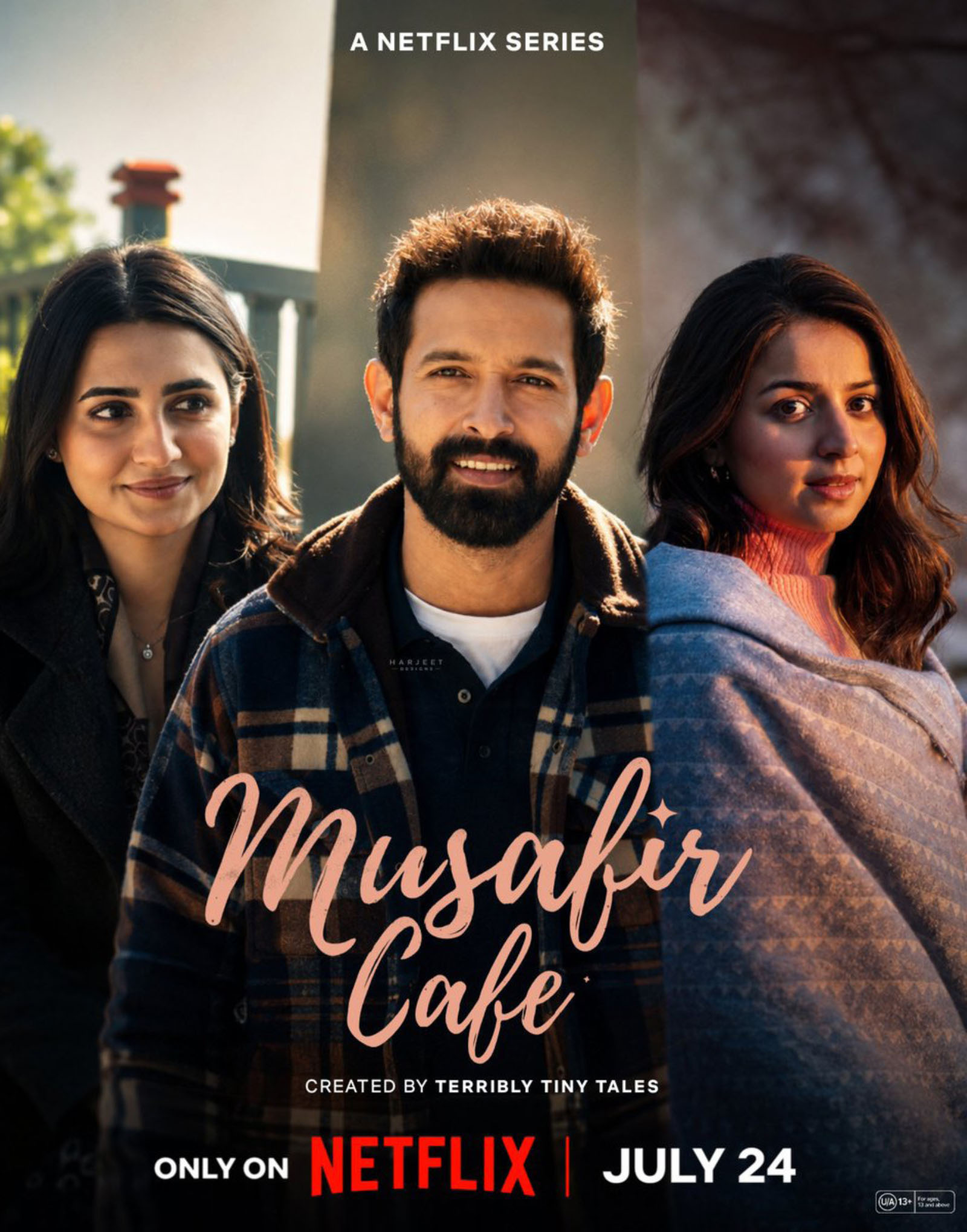
Aniruddha Patankar is an Indian cinematographer whose work in the web series format has earned him international recognition. He has previously collaborated with Indian production houses like Pocket Aces and Dice Media. He was the director of photography on the 2016 Netflix series “Little Things” and has also worked on other web series like “Ghar Wapsi” and “Modern Love Mumbai” among others. He has also worked on several web series like “Unpaused Ek Naya Safar”, “Operation MBBS”, “Clutch”, etc. Recent releases include “Court Kacheri” and “Who’s Your Gynac S2”. In the 2026 Netflix romantic drama "Musafir Cafe" (starring Vikrant Massey, Vedika Pinto, and Mahima Makwana), Patankar’s cinematography has been widely praised for its understated elegance. He captures the culturally rooted locales of Bhopal and the mist-covered hills, winding roads, and serene landscapes of Mussoorie with striking natural beauty, ensuring the visuals enhance the story’s emotional intimacy without resembling a tourism advertisement.
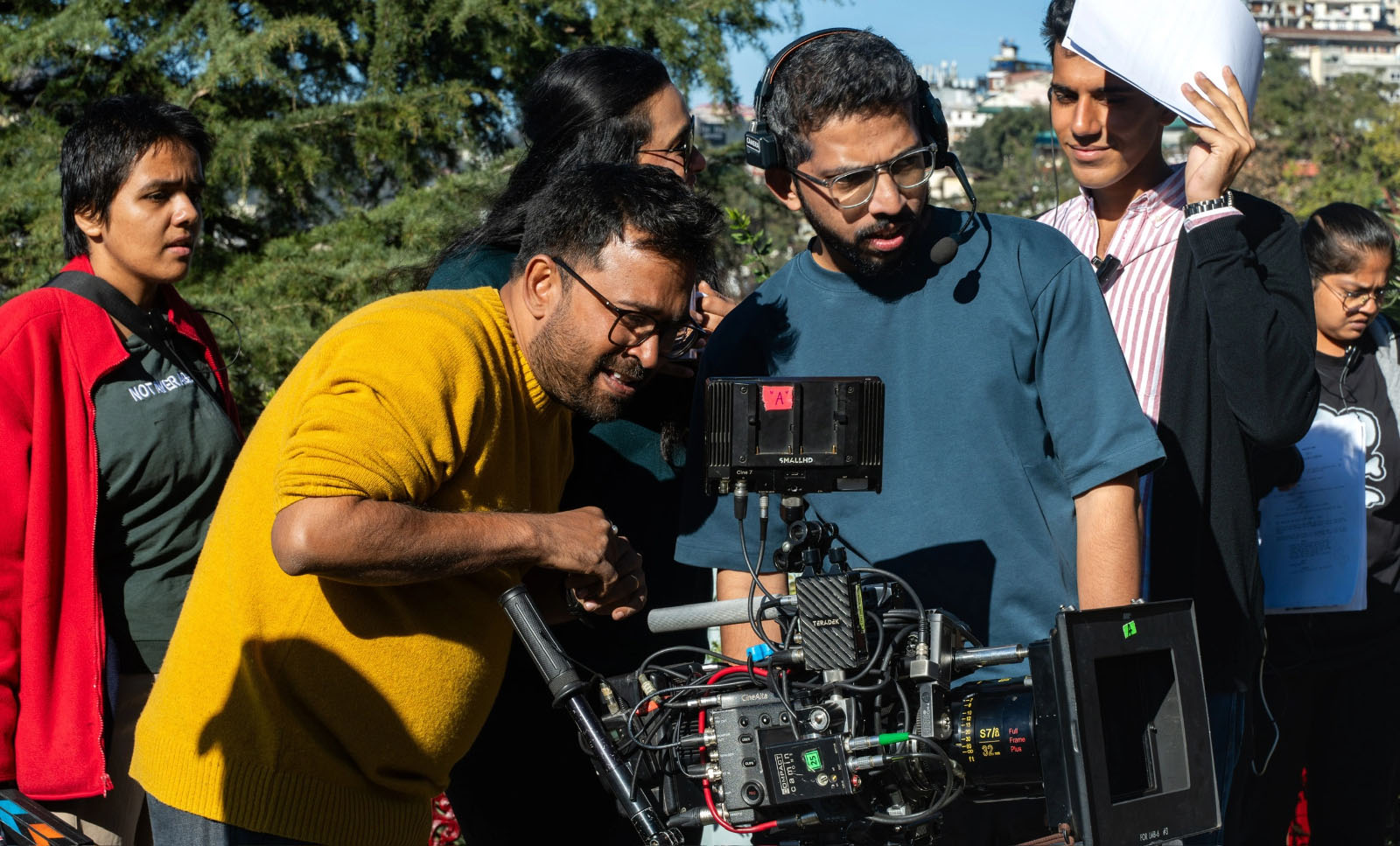
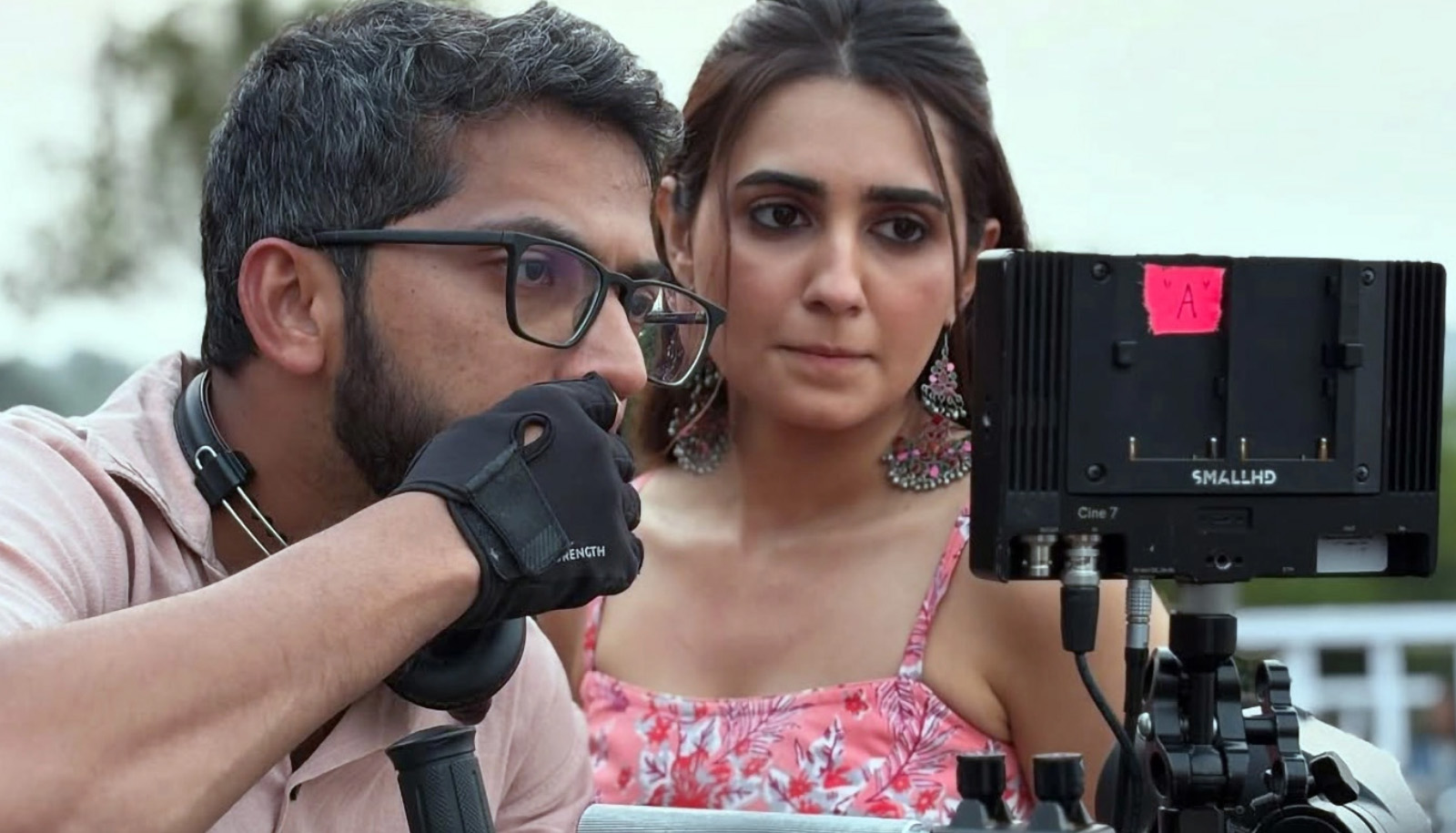
"Musafir Cafe" moves between the grounded atmosphere of Bhopal and the lyrical landscapes of Mussoorie. How did you and director Ruchir Arun arrive at the visual grammar of the series during pre-production, and what mood boards, references or location tests guided that process?
Ruchir Dada and I share a similar approach to treating spaces differently and making them cinematic. The essence of “Musafir Café” revolves around love, dreams and despair. There is a lot of heart in both these aspects, so from the beginning, the vision was to make it remarkably captivating—some - thing that would strike a chord while retaining the universality of these emotions. A lot of the visual inspiration came from “La La Land”, particularly its colour language, which was a major influence. We also did not want to treat the two timelines differently in terms of grading simply because they were set in different places; both locations have their own charm, which lends itself to the two arcs. The location recce gave us the palette inspirations, and that provided enough difference in flavour to build upon.
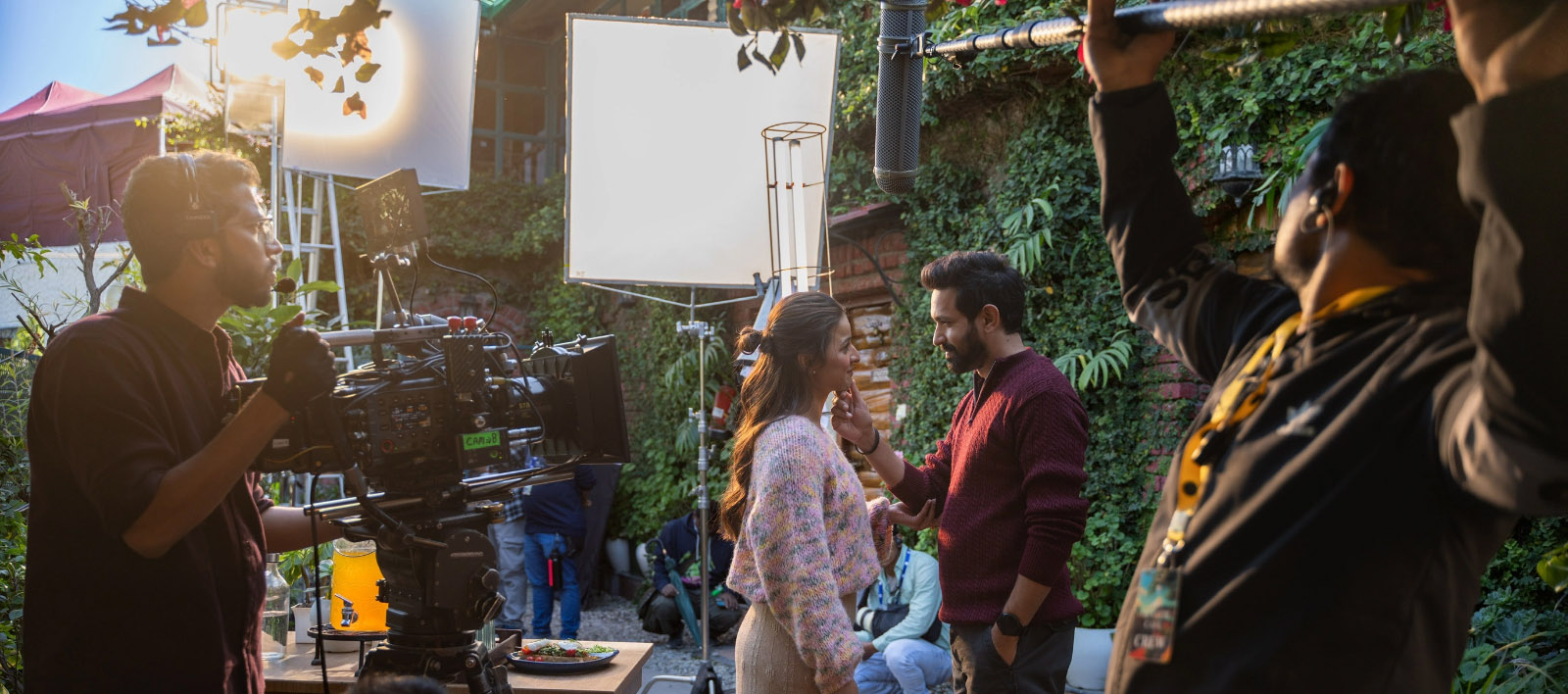
The essence of ‘Musafir Café’ revolves around love, dreams and despair… the vision was to make it remarkably captivating—something that would strike a chord while retaining the universality of these emotions.
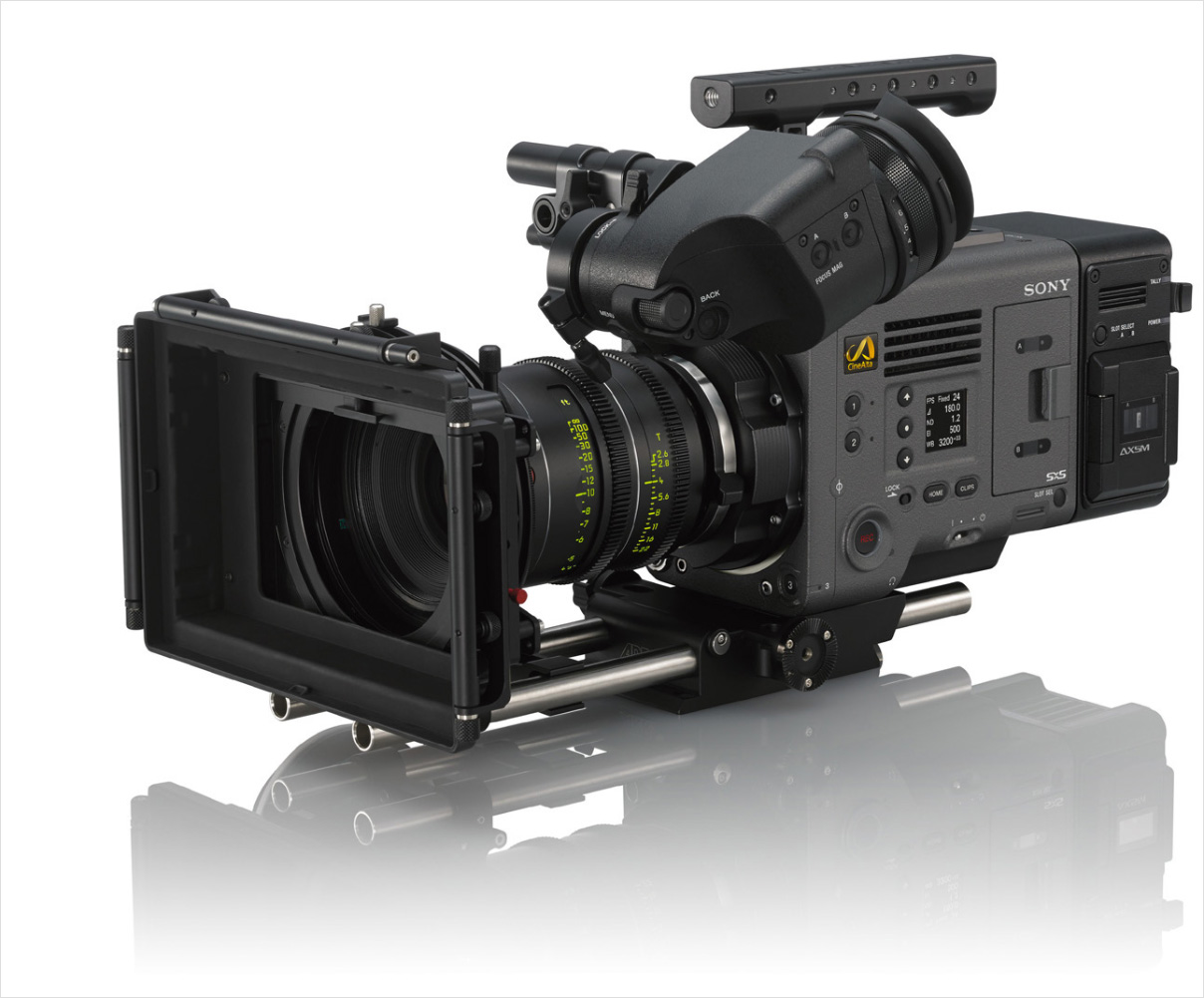
You chose the Sony V ENICE as the primary camera for "Musafir Cafe". What specifically about the camera made it the right tool for this project, and which of its features proved most valuable while shooting?
I chose VENICE for multiple reasons. We were working with a compressed time - line—the principal photography was initially planned to be completed in 28 days during winter, although we eventually shot for 36. Mussoorie is known for its winter line, which is stunning but lasts for a very short duration after sunset. To capture that quality while also being able to reproduce colours accurately on location within the shorter daylight window, I needed to work at a higher ISO base. The VENICE tests provided beautiful, low-noise colour latitude at 2500 to 4000 ISO. As I mentioned, colour is the soul of this show, and paired with Cooke lenses, the VENICE was an obvious choice.
Apart from high-ISO performance, dynamic range and colour reproduction, which other features of the Sony VENICE did you particularly appreciate during the shoot, and how did they help you creatively or practically on set?
One of the best features of Sony VENICE that I really like is the internal ND filter. 8 stops of contamination-free lets me operate on a higher ISO base even in daylight to keep a consistent grain structure across multiple scenes without adding any weight to the matte box. A big help when the camera goes hand-held or on a shoulder pad.
Have you used the Sony camera extension system? If yes, how did you use it on "Musafir Cafe" or on any other project, and what advantages did it offer in terms of camera placement, mobility or shooting in challenging locations?
I've used the VENICE Extension System (Rialto) on many projects, including "Musafir Cafe". It's one of the wonderful innovations in the camera world. The actual cafe where "Musafir Cafe" was shot (Jharipani Castle, Mussoorie) was a live location and wasn't built to accommodate film cameras in many of its corners, especially when we had to go handheld or try to get an angle that allows character movement easily. In many other projects, I've used the VENICE Extension System (Rialto) rigged on cars for driving sequences that give a lot of freedom to the driver, without having to worry a lot about the rigging while driving, allowing more natural speeding of the cars.
How did you approach lighting for the series? Could you walk us through the techniques you used to balance natural available light in the hills with controlled interior lighting, and how the VENICE’s dynamic range and colour science complemented those choices?
For the series, the intent was to preserve a balance of mood. The narrative deals in tender yet intense emotions, and the lighting needed to reflect that - softer, so the characters would come out endearing. In Mussoorie, we relied heavily on bounced light, as lighting the live locations was neither economically nor logistically feasible within the timeframe. We often depended on the VENICE 's dynamic range to retain detail in the skies, particularly when the weather was foggy or misty and there was little in the distance for sunlight to fall upon. I prefer shooting against the light, which brings its own challenges, but my lighting crew worked tirelessly to position diffusions wherever needed and adjust it constantly as the sun shifted - a demanding effort that yielded a rewarding result.
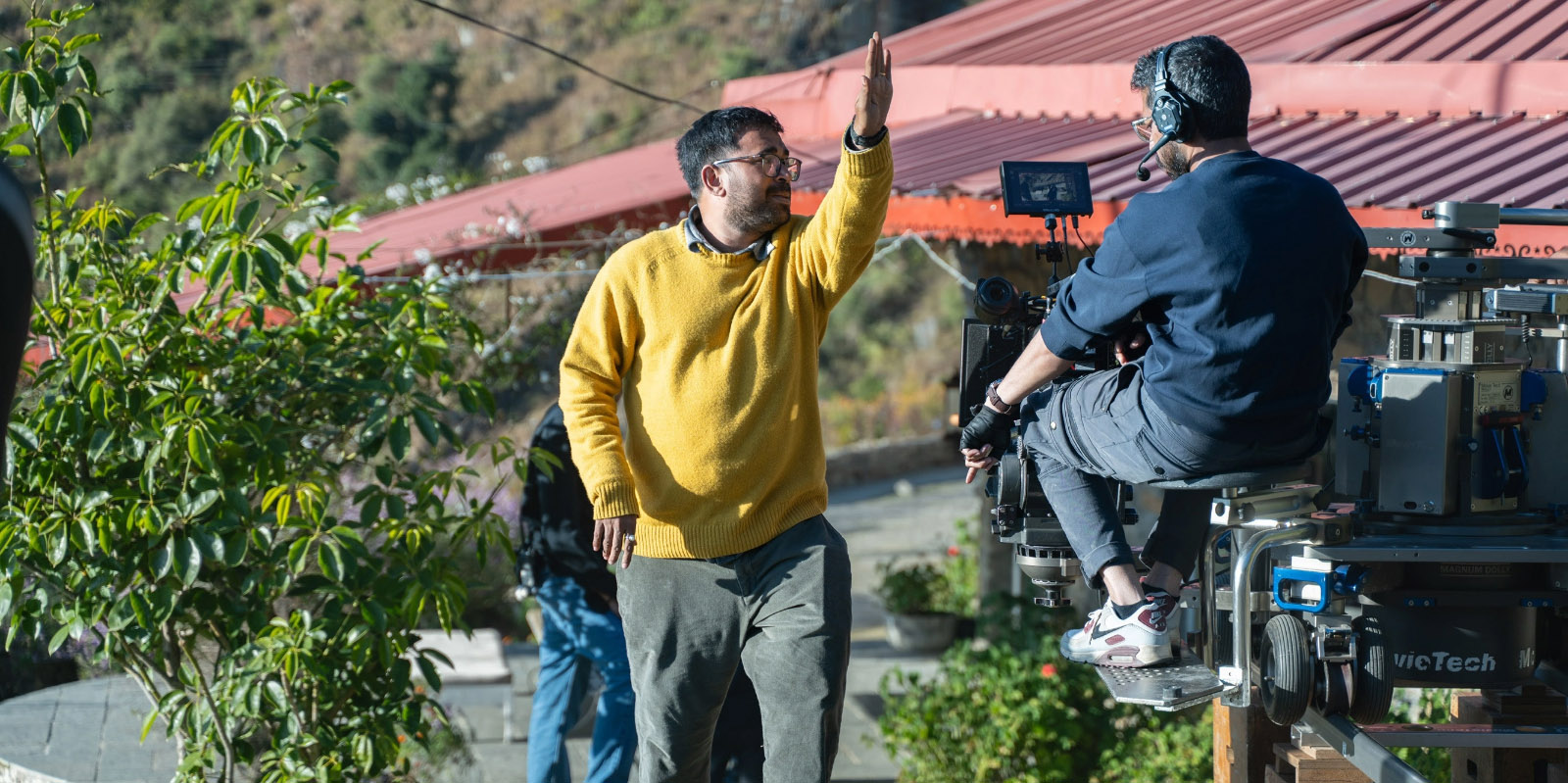
What lenses did you work with on "Musafir Cafe", and how did the optical characteristics of those lenses support the intimate yet expansive visual language you were aiming for?
I have been a strong admirer of Cooke lenses for several years and have used them across multiple projects. They offer a beautiful colour rendition, and their sharpness does not call attention to itself - there is a pleasing texture to the image. That quality suited the emotional register of the show precisely. “Musafir Cafe” was intended to thrive on a balance of colour and contrast, and Cooke delivered that with ease. The edge contrast and the handling of skin tones are remarkable. I must also credit our production designer, Naveen Lohara, and our stylist, Roshni Bose, for working closely with me on the deeper tones and the textures that complemented them. Without their contribution, I would not have been able to do justice to the palette this vivid.
Looking back at the shoot, what were the main challenges you encountered - whether environmental, logistical or creative - and how did you navigate them?
Running against the short daylight window in the winters was the most difficult thing to do in the hills. On one occasion we ended up shooting a scene twice and both the times we struggled to keep up with the drastically dipping light. Ruchir Dada has amazing understanding of light, and also in adapting the shots to make his edit and we relied heavily on pre-planning with the direction department for the start and the tail-end of the shoot.
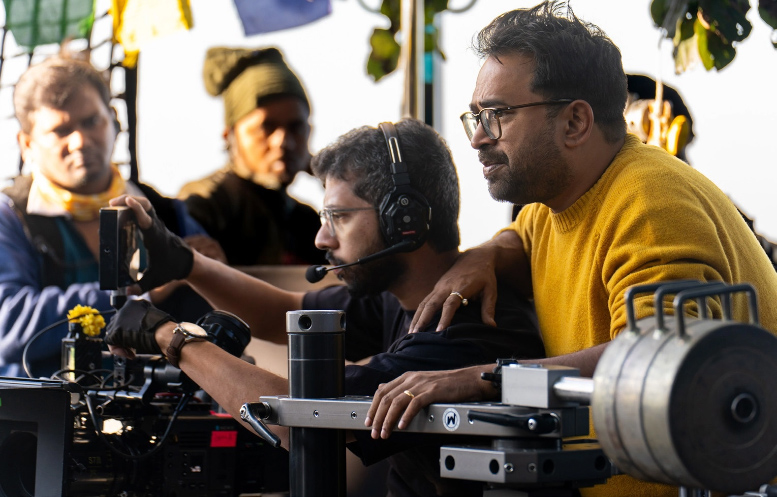
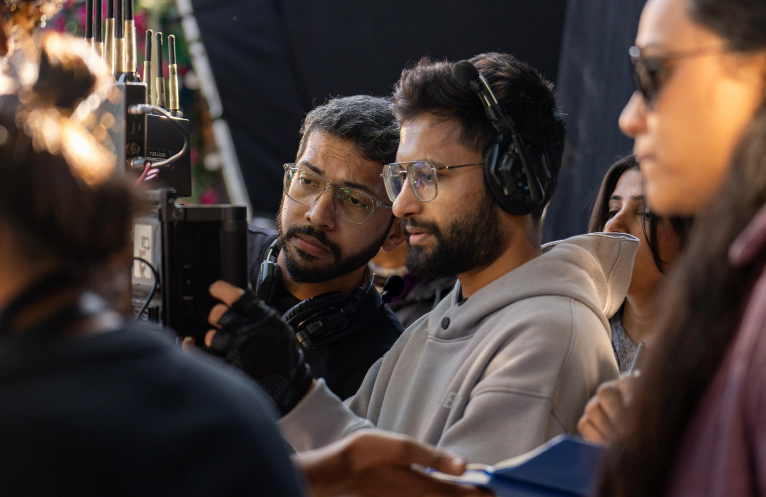
The paradigms of cinematography have always been shifting, and never more so than now. The fundamentals of aesthetics, however, remain unchanged.
Are there particular scenes or sequences that stand out as especially rewarding for you? Moments where the combination of light, camera movement and performance came together in a way that felt particularly strong?
There are quite a few, to be honest. One is a Preeti - Chander daytime scene in their mountain home, shot in a small stone house with a low ceiling; the track from the living room into the bedroom was just wide enough. We had created daylight for Chander's angle outside on the lawn, which I am quite proud of, and the performances were excellent as well.
Another is Sudha's encounter with Preeti - the evening light in the cafe and the overall feel of the scene is very beautiful.
In Bhopal, we had a rushed scene with Sudha and Chander at magic hour on the roof of Indian Tea House, which overlooked the vast lake and majestic skies - it was stunning.
How would you describe your working relationship with director Ruchir Arun? In what ways did that collaboration help refine the visual tone and consistency of the series?
I have worked with Dada for almost my entire career. I often say that I did not go to film school but the film school came to me. We have worked together long enough that it is difficult to recall when the sync took place, but I know what he would not want to do more than what he wants, and that marks the starting point of our collaboration on any project.
A short brief from him is enough for me to expand upon and build an entire mood board. We have worked so extensively on love dramas and slice-of-life stories that setting a larger ambition for a story like “Musafir Cafe” was quite easy. He trusts my instincts for colour and tone, for contrast and punch.
His innate understanding of light helps me block scenes as much against the light as possible, and that is what establishes a consistent balance of mood across the timelines and locations in “Musafir Cafe”.
Who handled the DI and colour correction for “Musafir Cafe”, and how involved were you in the grading process? How satisfied are you with the final look that emerged on screen?
Hany Ahmed Halim from Nube Cirrus was the colourist on "Musafir Cafe", and a large share of the credit for the look belongs to him. I prefer to be involved in the grade from the outset, so Hany and I went back and forth at length, working towards a look that was balanced, bold yet organic.
We tried numerous combinations of tonal variation to distinguish Bhopal from Mussoorie, without ever overstating the feeling of a "look". Ruchir and Sharanya, the showrunner and writer, also contributed their input, which gave the two cities and timelines their distinct character: the cold of the hills against the warmth of the lake city. I am grateful to Hany & his associate Gunjan for their considerable patience in arriving at consistent skin tones for all characters across a wide range of visuals.
As always, there is some anxiety about how an image will translate on a consumer device, but it has translated beautifully, and I am very pleased with how it turned out.
Finally, what advice would you offer to young cinematographers starting out today?
The paradigms of cinematography have always been shifting, and never more so than now. The aesthetics are also evolving - whether in painting, graphic design, still photography, moving images, or even AI-generated visuals.
Find something new every time you shoot. Don't fall for what's easy, strive for cinematicness. Shoot more; shoot every day, on phones or whatever else is at hand, stills or video. Be an unsparing judge of your own work, and compare it with the absolute greats. It's how you train your eye to see better and also set a higher standard.