NIMISH RAVI X SONY VENICE 2

NIMISH RAVI X SONY VENICE 2

HOW MALAYALAM'S NIGHT VAMPIRE EPIC 'LOKAH' WAS SHOT IN 6 MONTHS

VENICE 2

VENICE 2
NIMISH RAVI

NIMISH RAVI

THE CINEMATIC STORYTELLER

Celebrated for his bold, culturally rooted visuals and reimagined storytelling, Nimish Ravi continues to shape a fresh cinematic voice in the Indian film industry.

His career demonstrates that success in filmmaking comes not from shortcuts but from persistent effort and genuine passion for the craft.
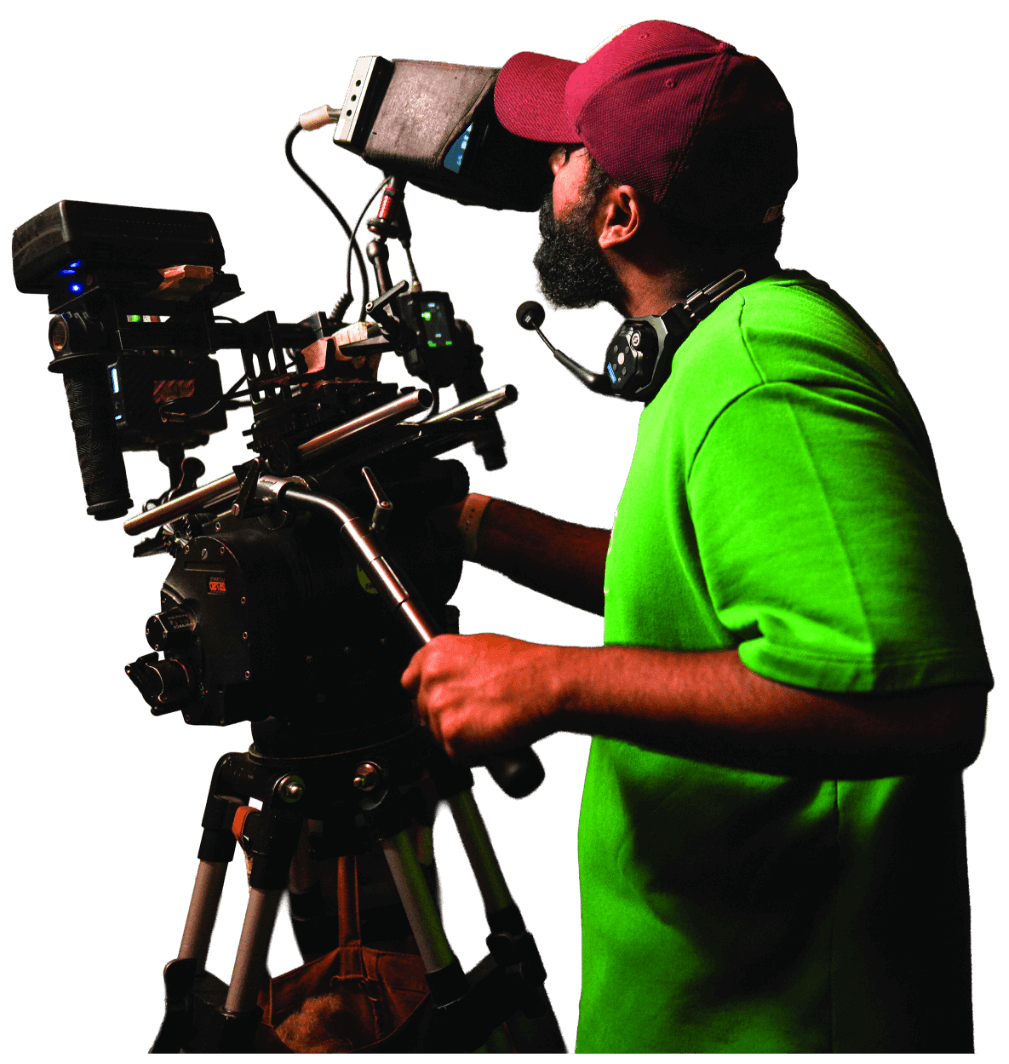
Nimish Ravi (born November 13, 1994) is an emerging Indian cinematographer known for his distinctive work in Malayalam cinema. His cinematography seamlessly blends historical authenticity with contemporary visual styles. Initially trained in Visual Communication, Ravi began his journey with short films and self-taught cinematography through YouTube tutorials, gradually honing his craft.

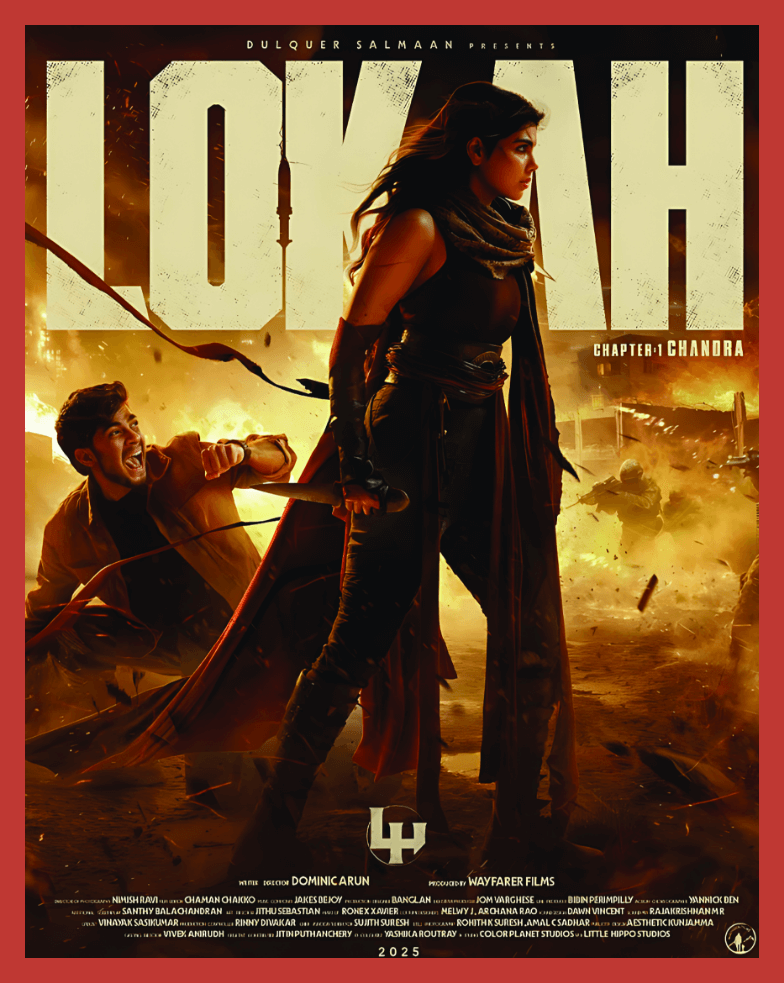
His breakthrough came with Luca (2019), a coming-of-age drama that earned both critical and commercial success. He further cemented his reputation with the period film Kurup (2021), for which he won the SIIMA Award for Best Cinematography. Known for his evocative visual language, Ravi has collaborated with leading actors such as Dulquer Salmaan and Mammootty in films like Rorschach (2022), Lucky Baskhar (2024), and the superhero film Lokah: Chapter 1 – Chandra (2025).

In an exclusive interview, Nimish Ravi takes us through his cinematic journey of using the Sony VENICE 2 for the remarkable project Lokah: Chapter 1 – Chandra and shares how the camera played a crucial role in mastering the night shoots with minimal lighting, delivering natural skin tones and crisp low-light visuals. Collaborating closely with director Dominic Arun, they shaped the film’s bold aesthetic through daily creative discussions over a two-year pre-production period.

How did Lokah: Chapter 1 – Chandra come your way, and what struck you first about its visual and storytelling approach?

Dominic Arun, the director of “Lokah Chapter 1: Chandra”, and I share a deep, long-standing friendship that dates back years. Our collaboration began around 2022 with the music video “Oblivion,” which sparked our shared dream of tackling a feature film together.
Though Dominic had debuted his first film eight years ago and I’d been immersed in my own projects, we kept brainstorming ideas post “Oblivion.” When he pitched the concept for Lokah, it immediately resonated. I joined from the earliest stages, right from pitching and story-building, making it a fluid, organic process. We shaped the narrative collaboratively on the fly, allowing the project to evolve naturally rather than starting from a fixed blueprint.

When you first met the director, how did you shape the film's visual identity and define the mood you wanted to bring to life on screen?

Dominic already had an initial idea of what the film should communicate or convey. Since it was a long process, the visual style took shape along with way. Every day, we used to have conversations about how each scene should look and how each space should be designed. It was a gradual, ongoing process that eventaully culminated in what you see now. So I think it was multiple days and multiple ideas that came together to shape the final look of the film.
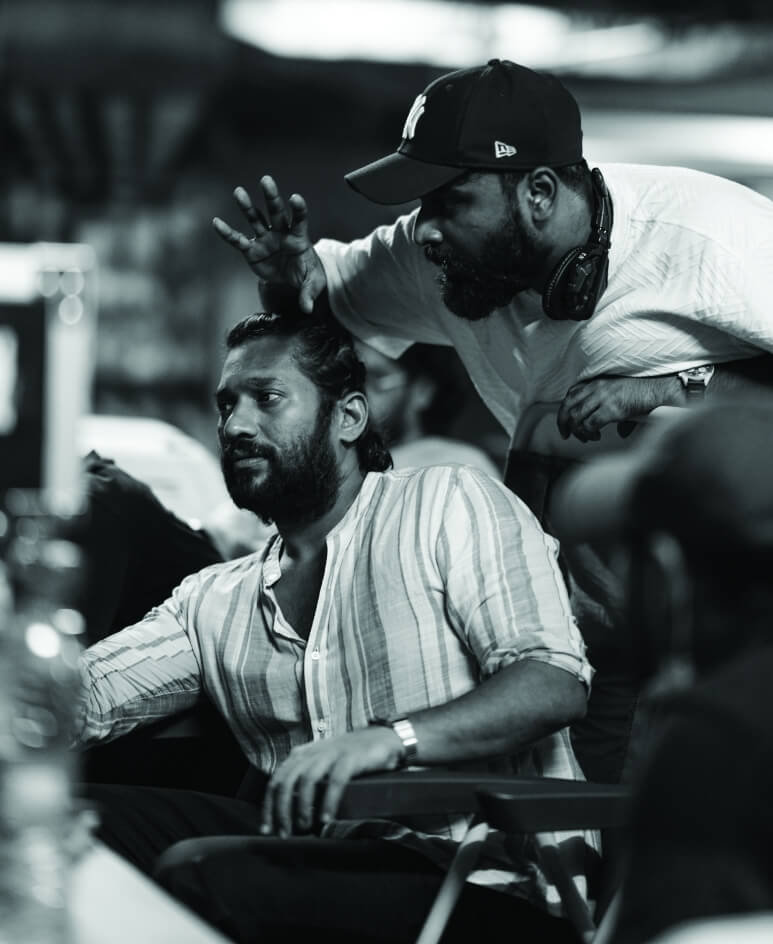

Preparation is the key; we prepared for almost two years for this film and then shot in just six months.

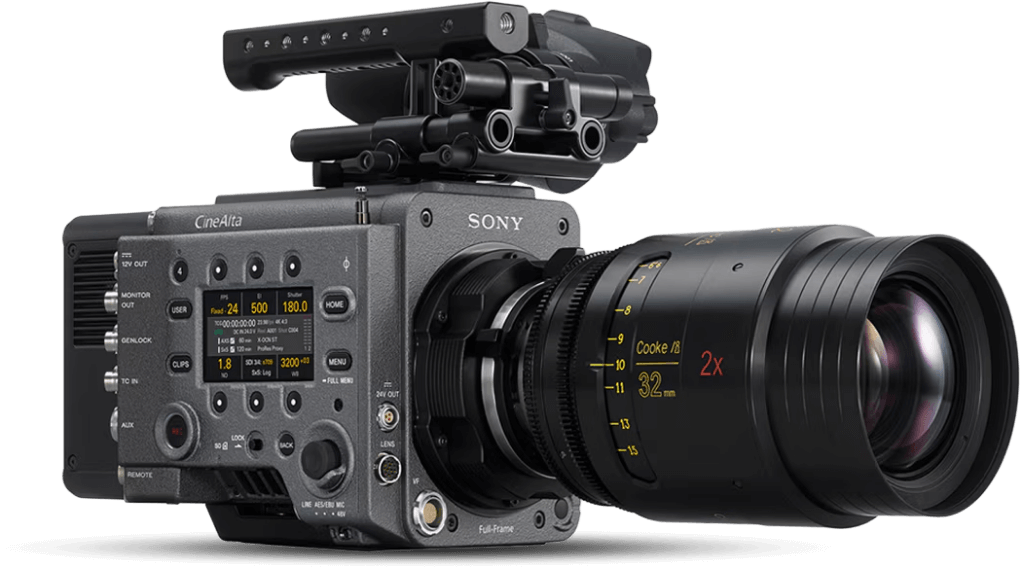
You chose to shoot on the Sony VENICE 2. What drew you to this camera for the project? Were there particular features or workflows that supported your creative vision?

`

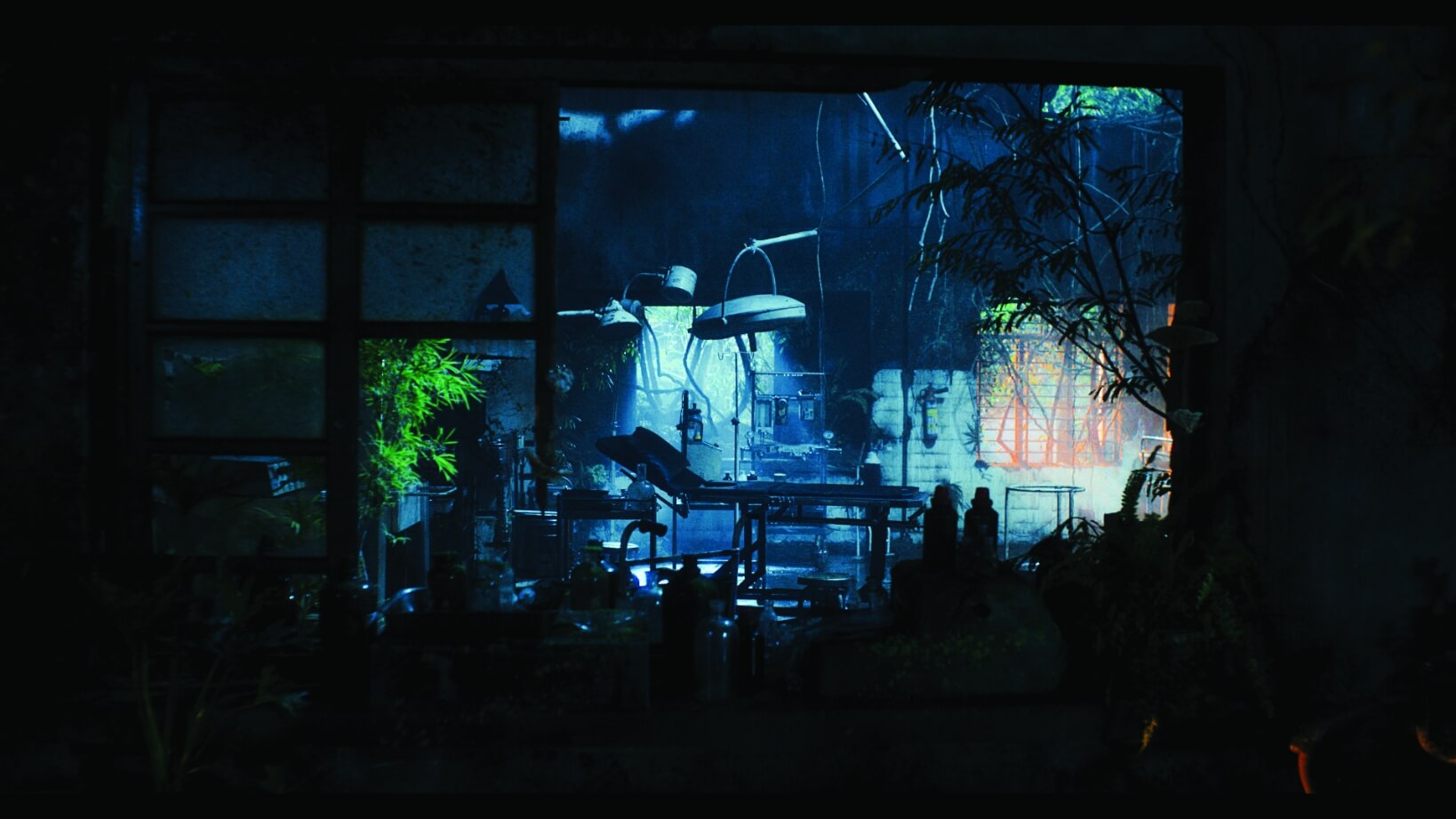
It's a vampire story, so there were going to spane a lot of night shots in the film. I had used the Sony VENICE on one of my previous projects called "King of Kotha," and it really helped me during the night shoots. Therefore, I felt that choosing the Sony VENICE 2 would be the right decision for this project, specifically for that reason.

However, beyond that, I also appreciate how it handles dynamic visuals; even in low light, it performs well. That was my primary reason for choosing the VENICE 2. Later, I realized it helped in many other ways, too, especially during post-production. When I was grading, everything fell into place nicely because of how the footage was captured with the VENICE. The VENICE 2 has a full-frame sensor, and its colour science is often praised, and I could really see why while working on this film.

The VENICE 2's The VENICE 2’s full-frame sensor and colour science are widely praised. How did they shape Lokah’s look, especially skin tones, highlights, and complex lighting?

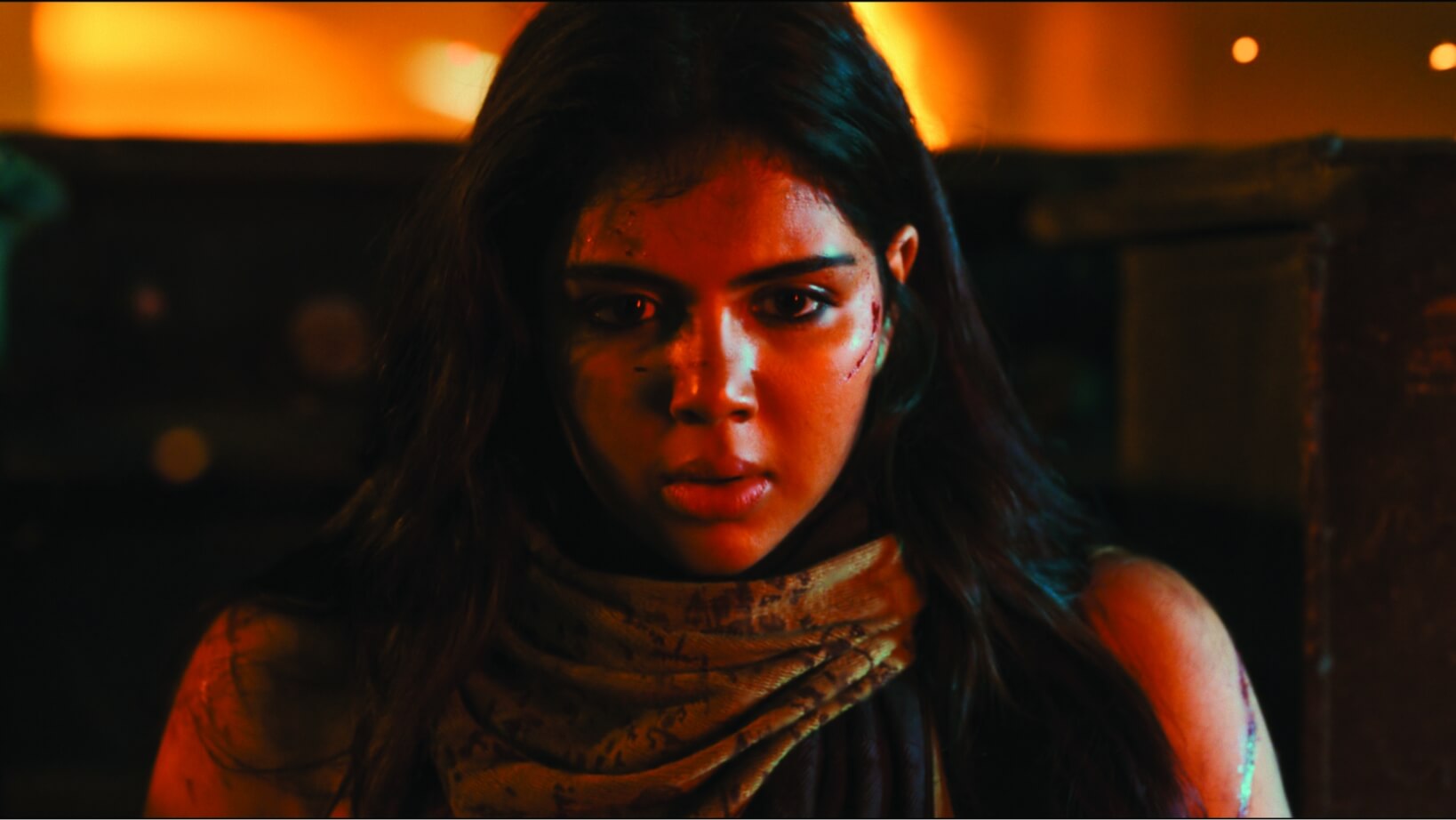
The biggest challenge was that I don’t like to pump a lot of light into my visuals; I prefer them to look as natural as possible. Because of that, sometimes the image can fall apart in low-light situations if the camera doesn’t hold up well. But the Sony VENICE 2 handled it beautifully. It placed everything in the right zone and gave us crisp, clean images even without flooding the actor’s face with light. That really enabled us to achieve real-looking skin tones, which is something I always aim for. In Lokah, for example, Kalyani’s (Priyadarshan) skin looked incredibly natural, mainly because we didn’t over-light her face. We tried to replicate how natural light would behave, and the VENICE 2’s full-frame sensor and colour science played a huge role in making that work.

That really enabled us to achieve real-looking skin tones, which is something I always aim for. In Lokah, for example, Kalyani’s (Priyadarshan) skin looked incredibly natural, mainly because we didn’t over-light her face. We tried to replicate how natural light would behave, and the VENICE 2’s full-frame sensor and colour science played a huge role in making that work.

Tell us a bit about your lensing approach, what type of lenses you go for, and how they worked with the VENICE 2 to achieve the aesthetic you had in mind?

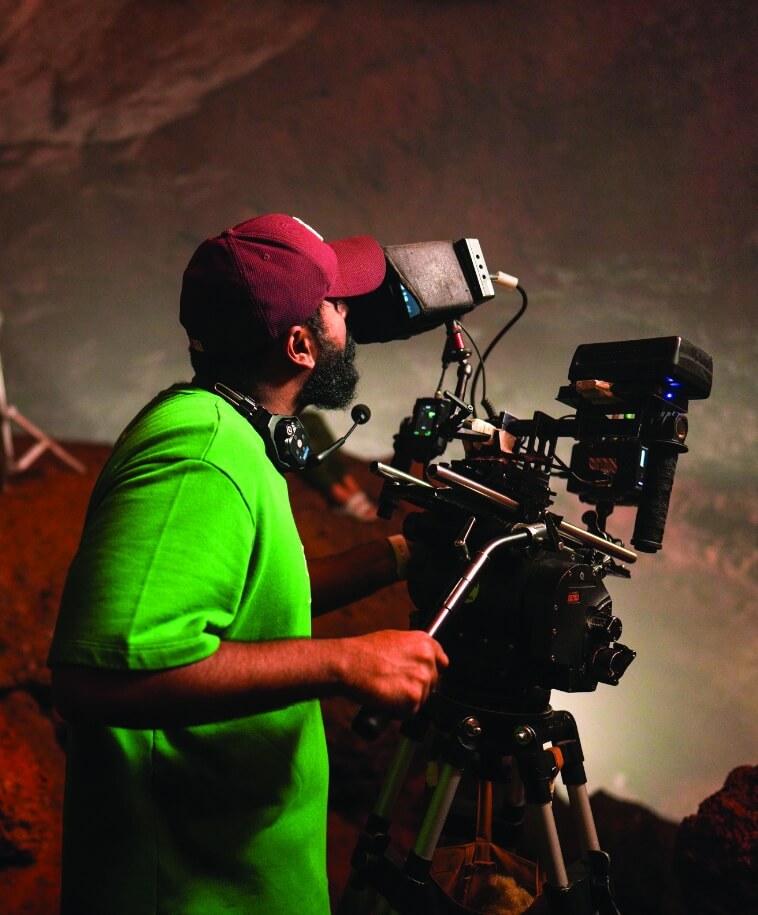
As much as I enjoy working with the VENICE 2, I’ve always been a huge fan of Cooke lenses. For “Lokah Chapter 1: Chandra”, we shot with the Cooke S8/I lenses, which had just been released around that time. They were still quite new, and only a few sets were available.

We chose them specifically to achieve the tone we had in mind, the combination of the VENICE 2 and the Cooke S8/I gave us a unique aesthetic that really worked for “Lokah Chapter 1: Chandra”.

Every film throws up its share of tough lighting setups or unpredictable conditions. Were there any sequences that really tested the camera’s capabilities? How did you tackle those moments on set?

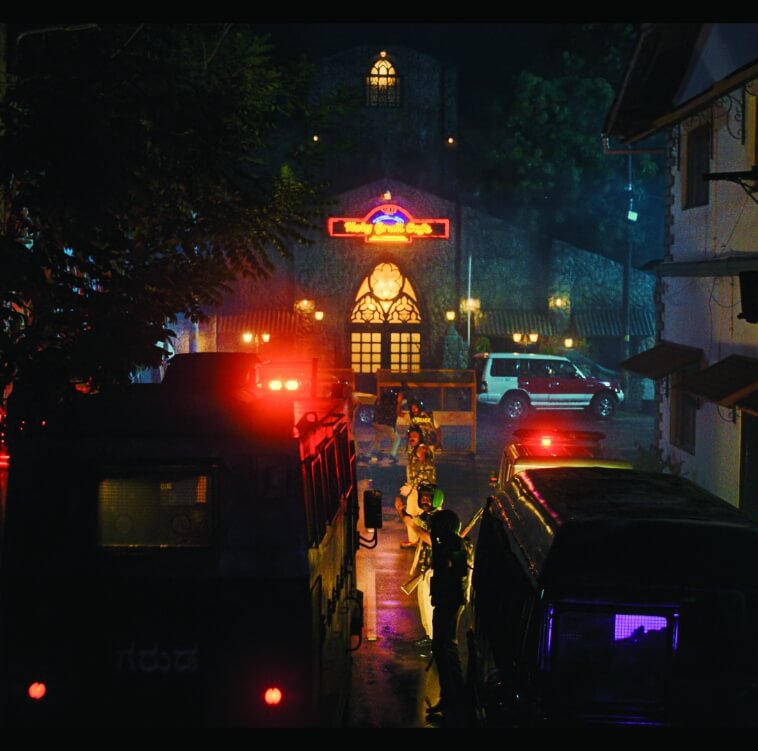
I feel like this film really tested the camera’s capabilities, especially during our Bangalore schedule. It was a short schedule, less than 10 days, and most of it was shot at night. Coming from Kerala, we usually work with modest budgets, so when we went to Bangalore, we had to shoot in locations where we couldn’t set up extensive lighting for night scenes.

That’s where the VENICE 2 truly proved itself. We pushed the camera to its limits, and it delivered. Despite the minimal lighting, it didn’t feel like we were shooting in low light; the images held up beautifully. The camera gave us clean, detailed visuals even in challenging conditions, and that made a huge difference in how those scenes turned out.

High-end cameras like the VENICE 2 let us achieve big visuals with small crews, a game-changer for Malayalam cinema.

Could you walk us through your on-set workflow and how you maintained color consistency? How closely did you work with your colourist/DI team to retain the final look?

I always lock my colourist before the shoot so that we can set the visual tone early. We finalize LUTs and key contrast/brightness parameters in advance and load them into the camera, which keeps the look consistent on set, especially since Lokah was mostly shot at night. The data-management team handled everything smoothly, which allowed me to focus on lighting each scene exactly as we envisioned it for the final grade.

Around 30% of my work continues into post-production, especially during grading. For Lokah, I sat with my colourist through several passes over nearly four months before we landed on the visual metre, the city’s tone, the neon, the mood. Since “Lokah Chapter 1: Chandra” is the beginning of a five-film franchise in Malayalam, we knew the look we set here could become the parent aesthetic for the rest of the series.

So, we had to be very intentional and thoughtful about every choice. The LUTs we chose on set informed the DI process and helped us stay true to the look we had first envisioned. That helped us preserve detail and stay true to the final look we had in mind. We lit scenes exactly how we wanted them to appear in the final grade, and that approach really paid off.

Was there a particular scene or location that proved especially challenging, either technically or creatively? How did your team overcome it?

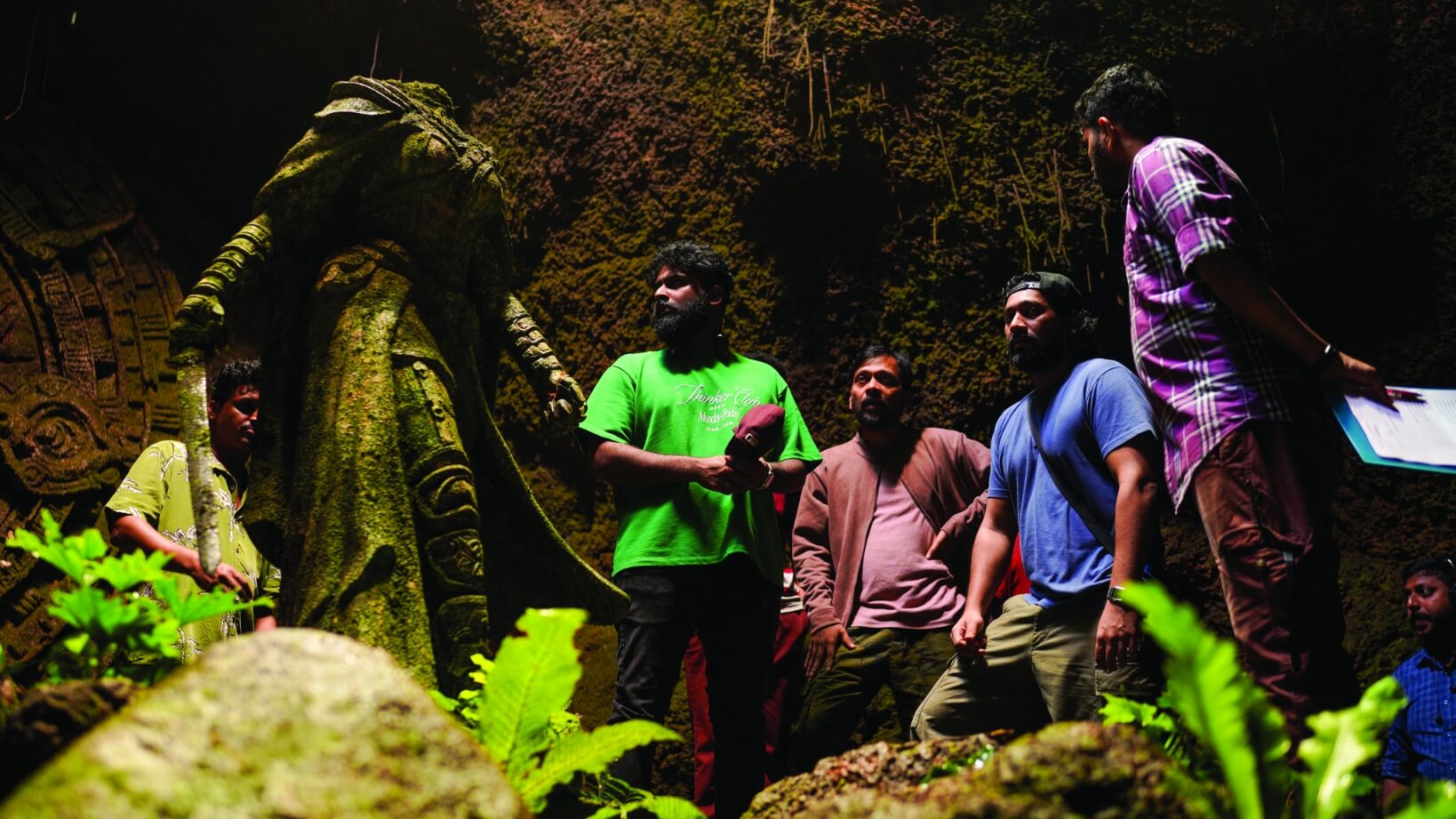
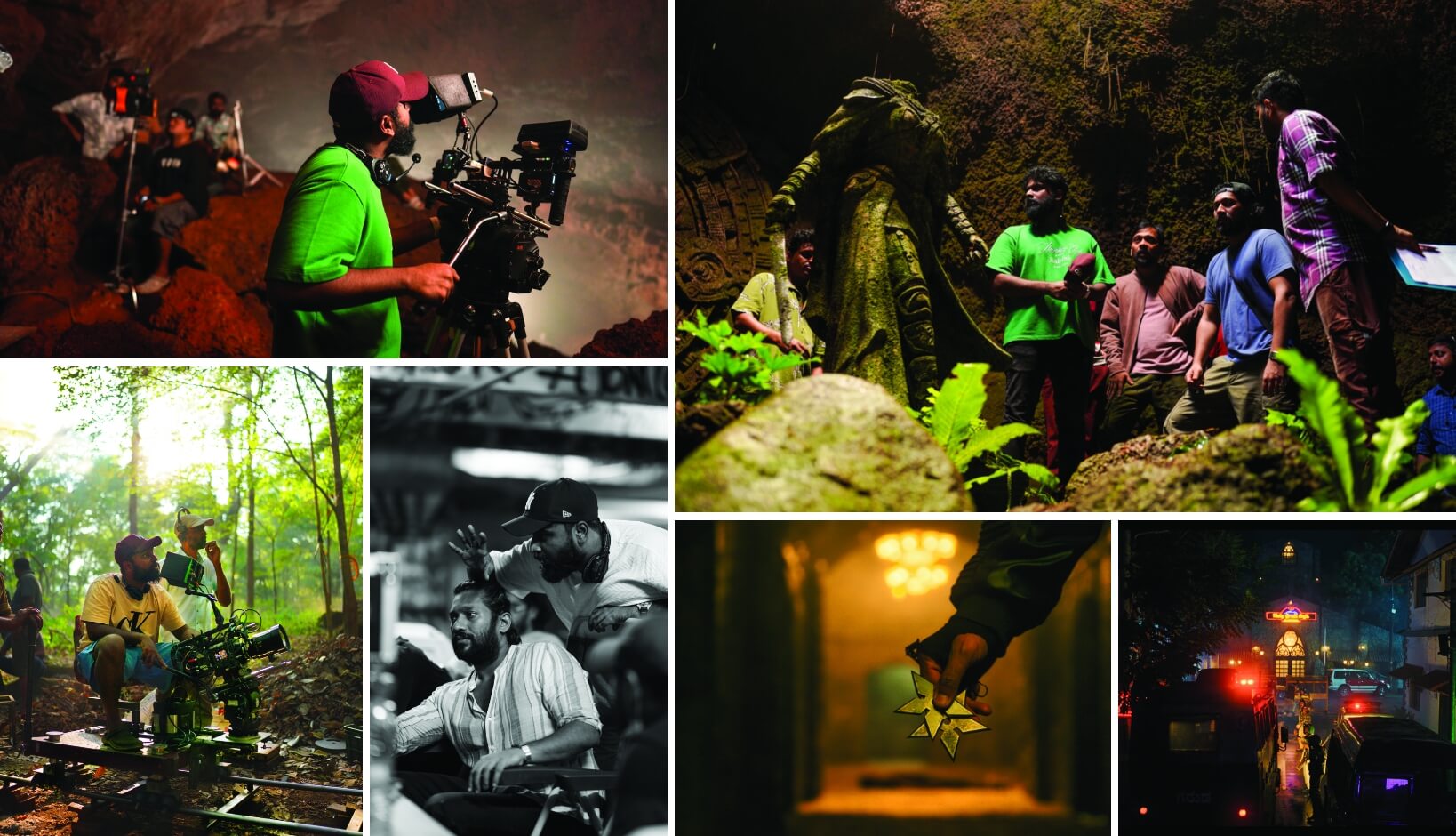
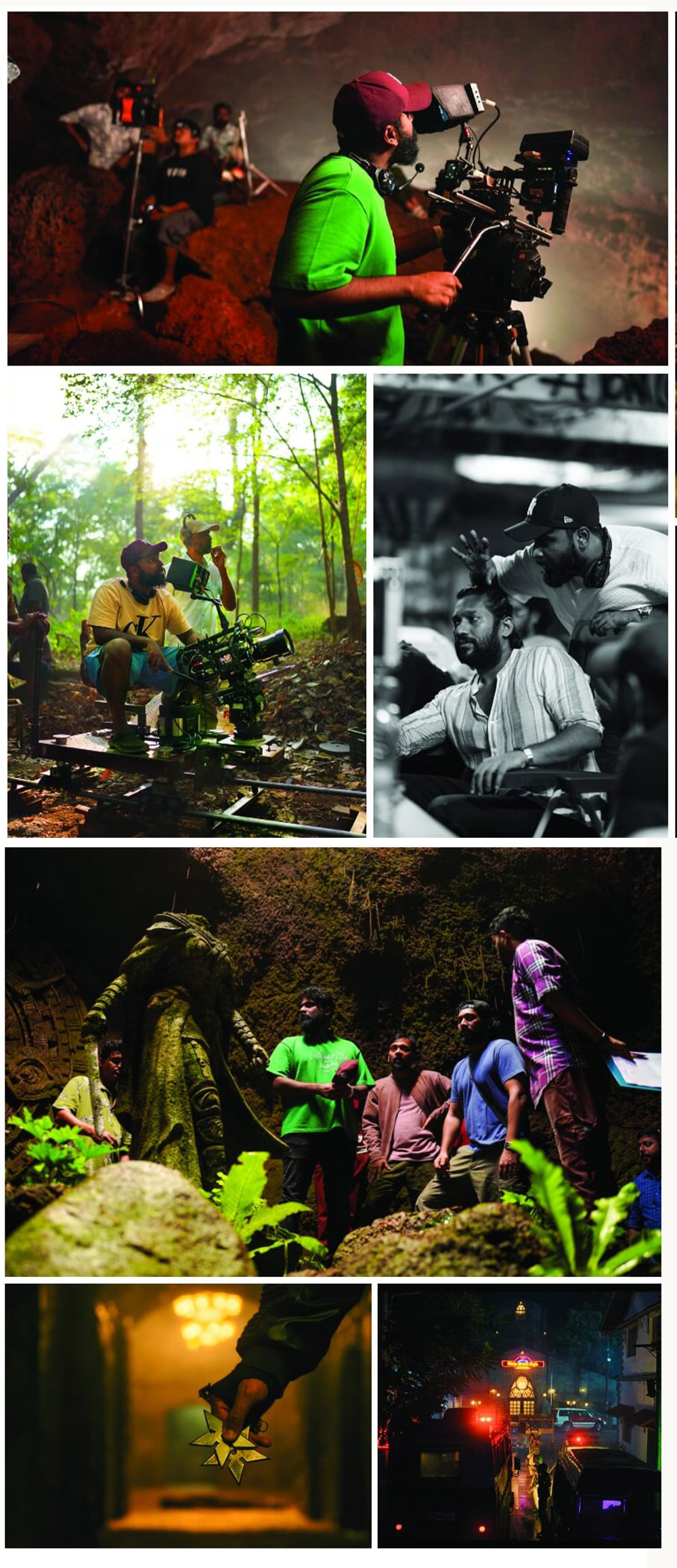
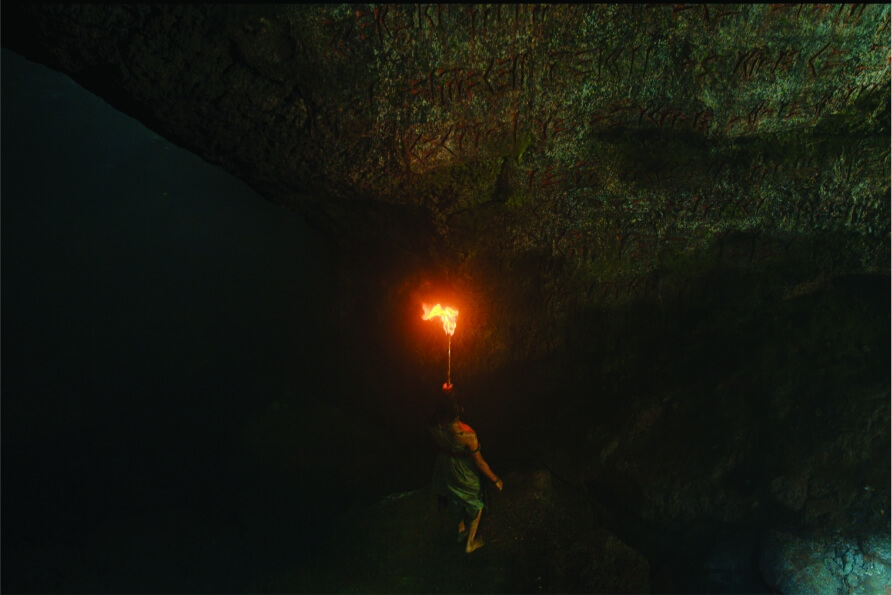
One of the most challenging scenes we had to shoot was inside a real cave. It was pitch dark when we first entered, and we had no idea how massive the space was. We couldn’t see anything during the initial recce. Technically, it was a tough setup. We didn’t have the luxury of a large lighting rig, and we needed to light the space in a way that revealed its scale without compromising the mood.

Once we started prepping with the team, we realized the cave was much bigger than we had anticipated, which made lighting even more complex. To tackle it, we scheduled a pre-light day and spent time figuring out how to make the space work visually. That helped us crack the look and understand how to light it effectively while staying true to the tone of the film. It was one of the more demanding setups, but it also proved to be one of the most rewarding.

From your perspective, how are high-end digital cinema cameras like the VENICE 2 reshaping visual storytelling today, compared to earlier formats?

High-end digital cinema cameras make it easier for us to shoot in challenging locations, like the cave I mentioned earlier. If we had used an older-generation camera, it wouldn’t have been as easy to push the image to the level we achieved. The technology allows us to work faster and more efficiently, often with smaller crews and tighter schedules. That’s a huge advantage, especially for filmmakers like me who come from the Malayalam industry, where we usually work with modest budgets.

I feel that high-end digital cinema cameras like the VENICE 2 are significantly reshaping visual storytelling today.

Unlike bigger industries like Bollywood or Telugu cinema, we don’t always have access to large crews or extensive resources. So having access to cameras like the VENICE 2 helps us achieve high-quality visuals without needing a massive setup. It’s more effective, more flexible, and allows us to focus on storytelling without being limited by technical constraints.

What are some of the biggest lessons or takeaways from this project that you think young cinematographers could benefit from?

I’ve always believed, right from my first film, that preparation is key. So, we always prep a lot more than we should. I think we prepped for almost two years for this film and then shot it in just six months. I’ve always believed that we need to be strong with our preparation to achieve a certain look. That’s what I would like to tell all the people who follow my work: preparation is more important than shooting or post-production.

And finally, how do you see cinematography evolving in India, especially when it comes to finding the right balance between technology, artistry, and storytelling?

I think we’re in a very interesting phase right now, especially on the technical front of cinema in India. Audiences are increasingly paying attention to how a film is graded, what its colour palette is, and what it has achieved technically, and that’s a great thing. It motivates all of us to work toward perfection because people are noticing these details.

Visual storytelling is now in everyone’s hands, literally, on their phones. So, more people are trying to make films around them, and that pushes us to be more upfront and intentional with our craft and storytelling. It’s also become much easier and more accessible for everyone to get into filmmaking. And because people are noticing the technical aspects more, we, as technicians, are driven to make things more perfect. That’s challenging, but it’s also exciting.

Was there any work that really influenced you, something that made you feel like you wanted to become a cinematographer? And are there any recent works you’ve seen that you found particularly interesting?

I’ve been an ardent fan of Santosh Sivan sir and most of his work, especially because I come from the same place, Kerala, so right from the films like “Iruvar”, most of his films (like “Dil Se”) have always been incredibly inspiring, particularly considering the kind of work he did at a time when there weren’t many technical advancements. What he achieved back then is still unmatched. I also love the work of Ravi K Chandran, sir. I’ve always looked up to our seniors and learned a lot from them.

Recently, I really loved "Tumbbad", "83", and many films from Malayalam cinema. Every day, I come across inspiring stories and visuals, whether it’s from Shyju Khalid, Amal Neerad, or others. It’s always motivating to see people around me doing such great work, and I constantly learn from them.