Sony Burano Delivers Big-Film Quality for Sunil Patel's Low-Budger Marathi Feature

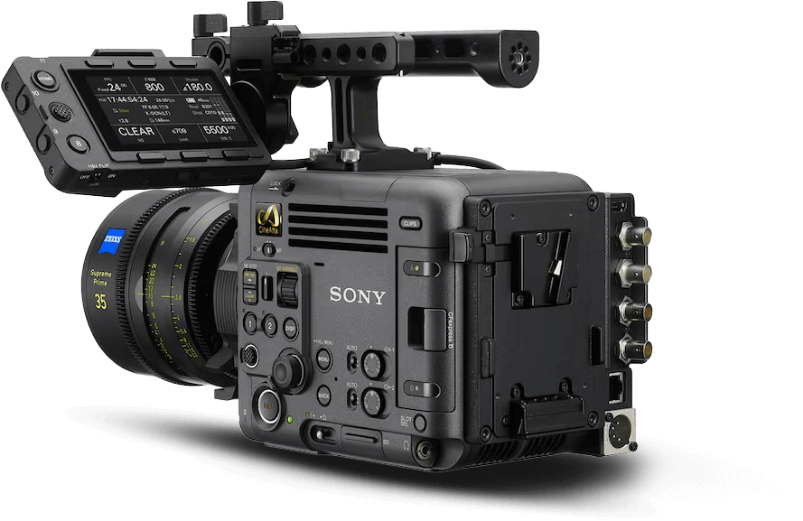
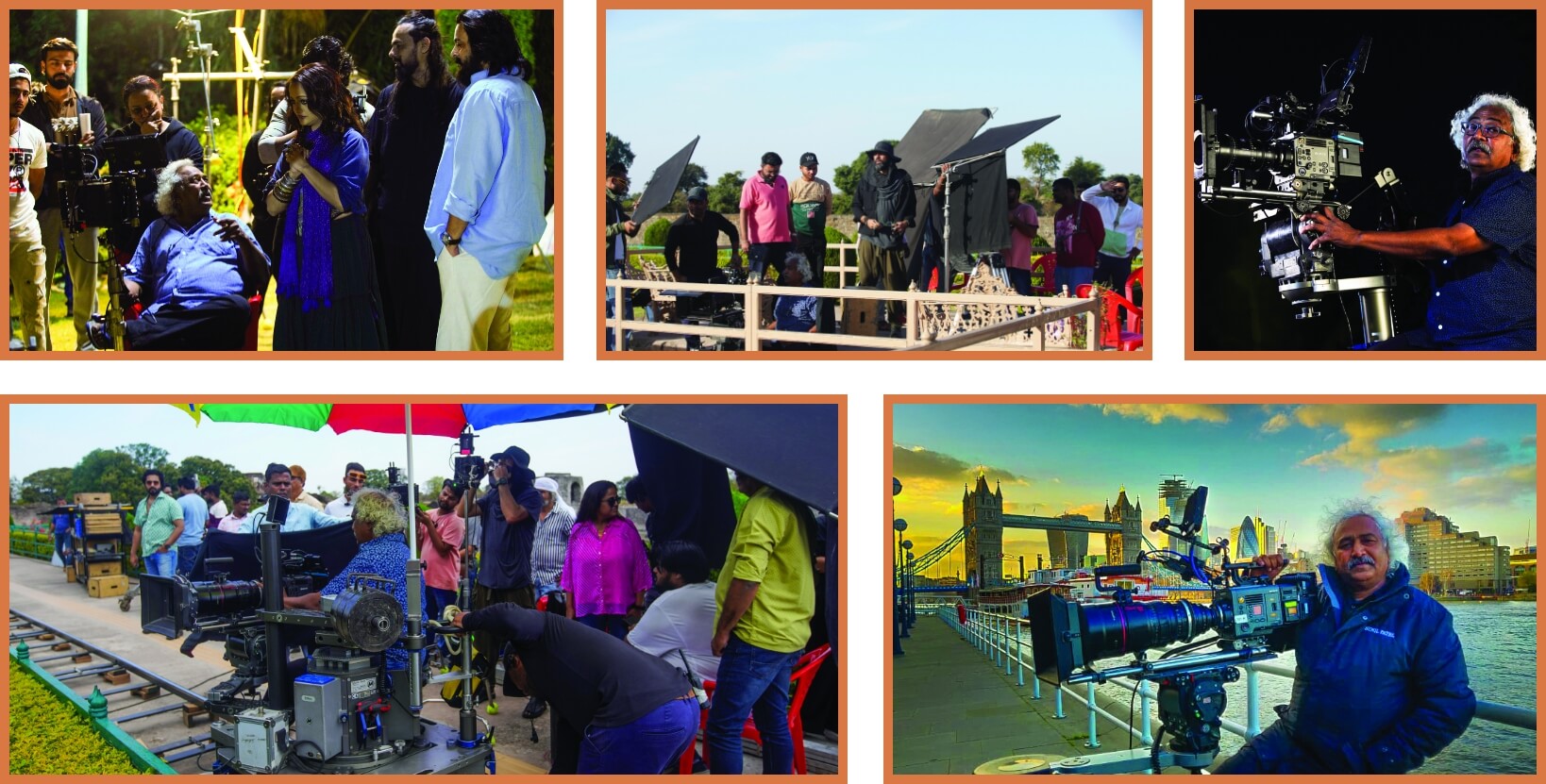
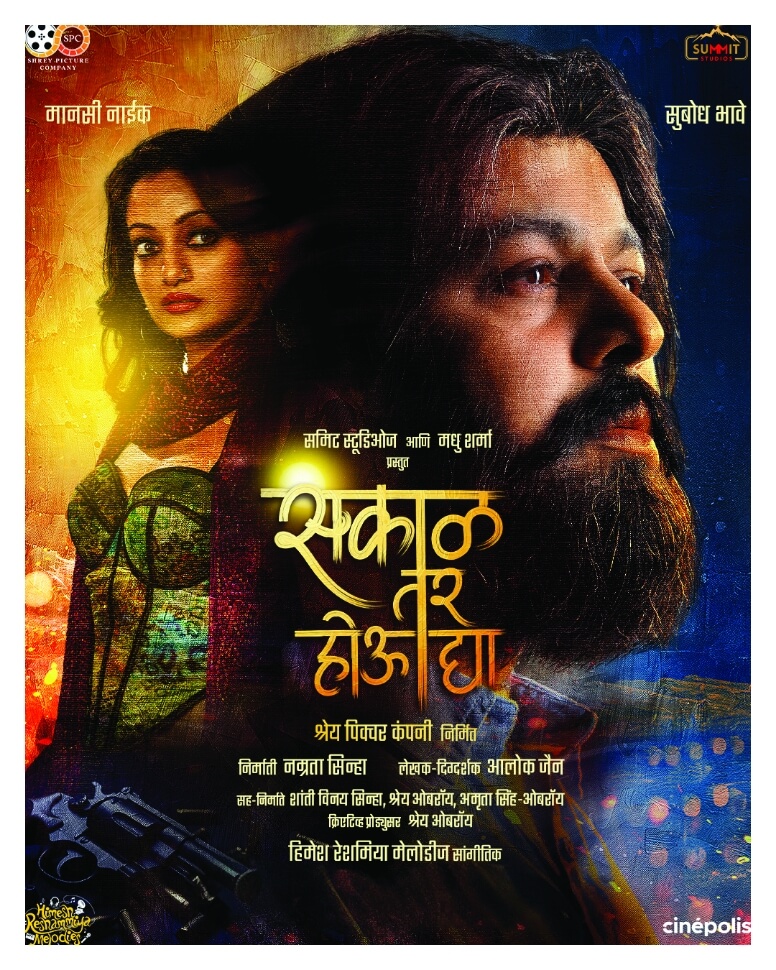
In an exclusive interview with Digital Studio India, Sunil Patel has elaborated that he selected the Sony BURANO for its proven Sony colour science, compact form factor, and dual-base ISO performance on the low-budget Marathi film “Sakaal Tar Hou Dya”.
Shooting entirely in one location at night, he relied on the camera’s sensitivity, built-in NDs, and lightweight design to work fast with minimal lighting while retaining cinematic depth of field and rich skin tones. He added that the result achieves visuals at a blockbuster level with minimal crew effort - proof that BURANO has the potential for daring regional storytelling.
Crafting Cinematic Magic: Sunil Patel exlores the Power of Siny BURANO "Sakaal Tar Hou Dya"
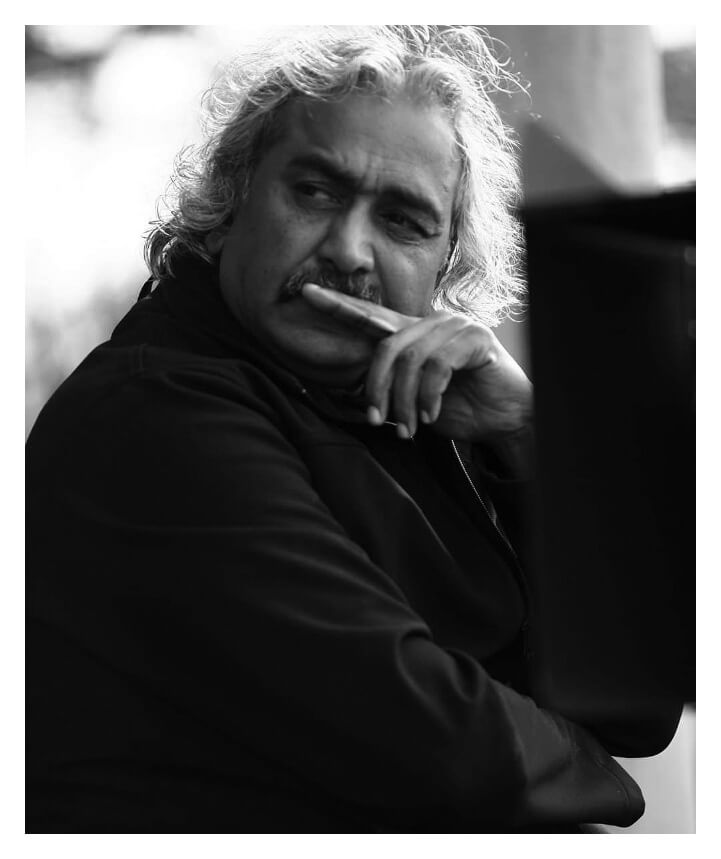
Acclaimed cinematographer Sunil Patel reveals why he chose the brand-new Sony Burano for the Marathi feature "Sakaal Tar Hou Dya". From natural skin tones and dual-ISO flexibility to lightening-fast handheld work on a tight budget, Sunil Patel explains how the camera became the perfect tool for story of hope unfolding over a single night.
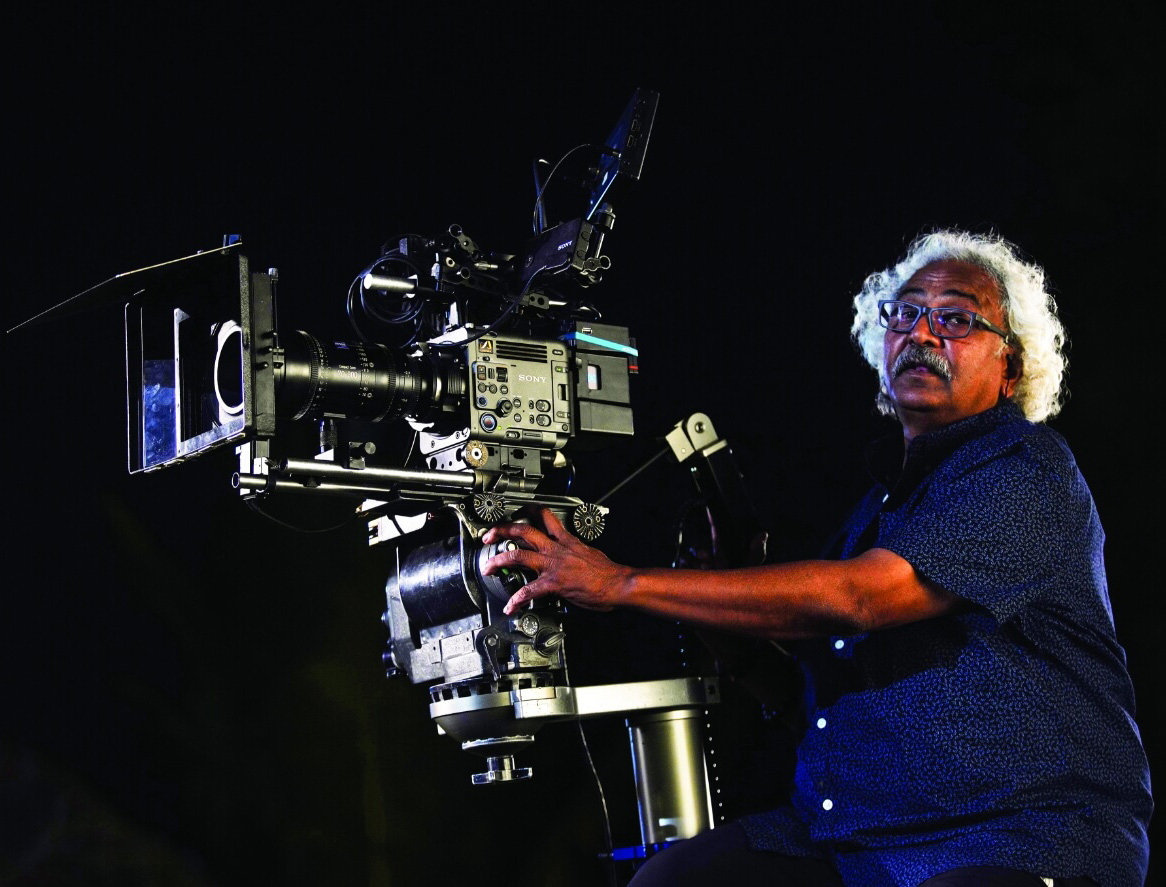
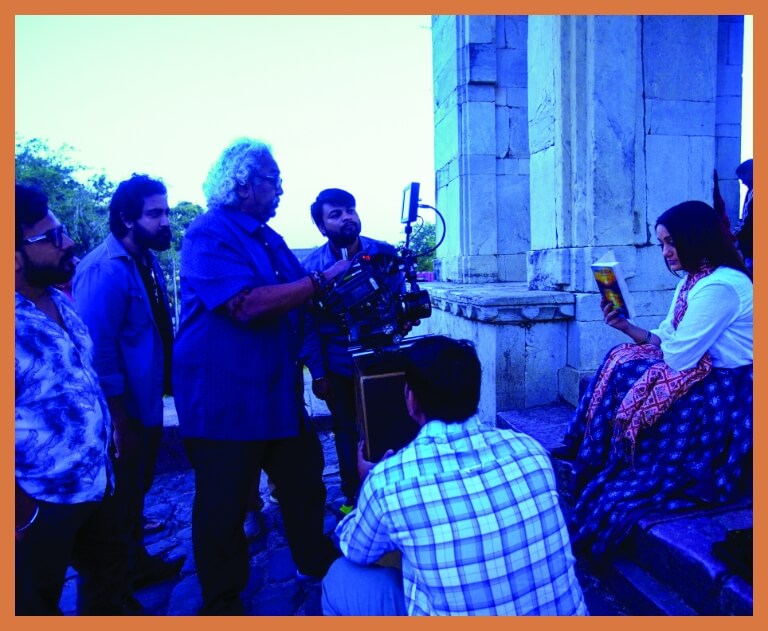
How did you first come on board for "Sakaal Tar Hou Dya" and what attracted you to the project from a cinematography standpoint?
The film was made under the banner of Shrey Picture Company, and the producer was Namrata Sinha. I have known Namrata for many years since we did a film together called “READY AGAIN” by Anees Bazmee. We were also to do the 2nd season of ‘The Great Indian Murder,’ but somehow that project has been put on hold. So, I guess it was the comfort level we shared that made Namrata approach me to do this film.
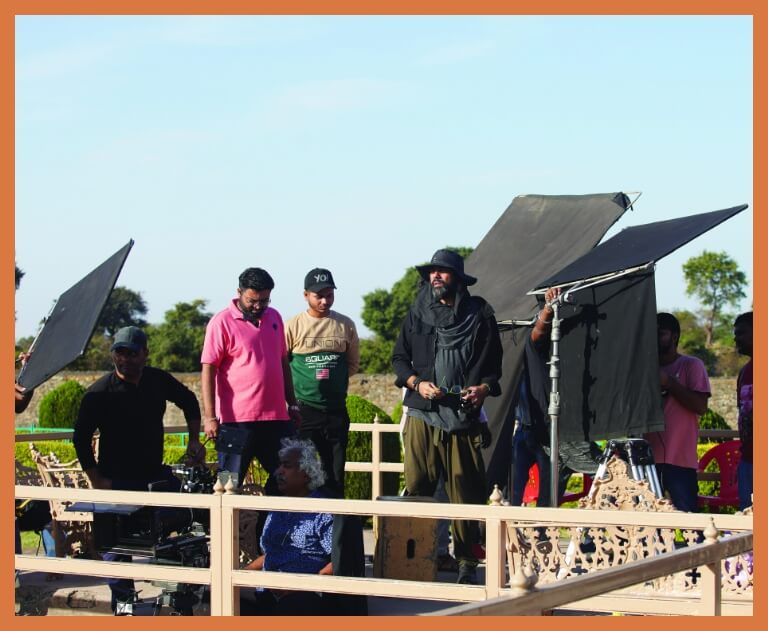
What was the initial visual brief from the director, and how did you work together to shape the tone and look of the film?
When Mr. Alok Jain (co-writer and director) narrated the story to me, I found the subject interesting and quite different from the kind of mainstream films that I normally get to do. Also, lately, I have been quite interested in doing other regional films where the language is unfamiliar or unknown to me. Honestly, it's my own personal endeavour to explore and figure out the similarities between people and films and at what point they quietly diverge. So, we discussed a lot but generally kept things open and ‘allowed things to happen as we went on’ kind of approach.
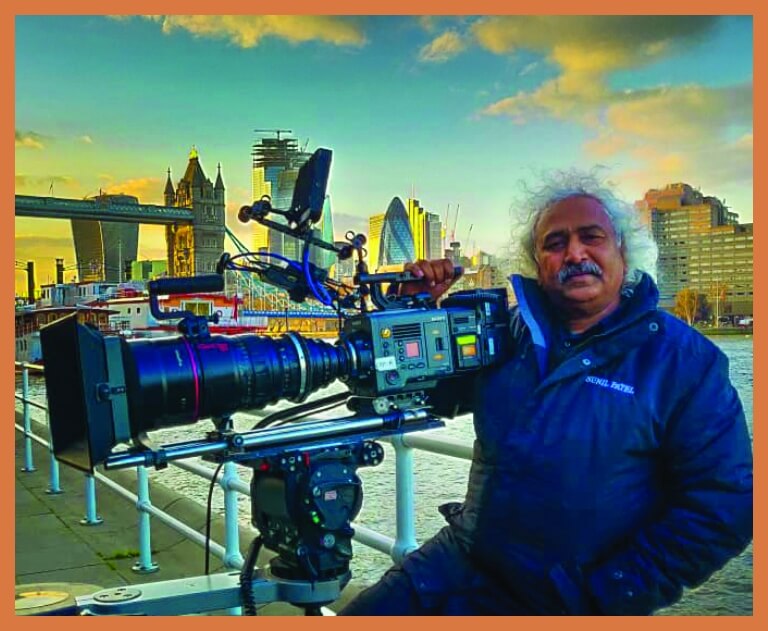
You chose the Sony BURANO for this shoot. What factors influenced that decision in terms of visual style and production scale?
Sony's colour science had already won me over when I was shooting Gabru Gang and Anees Bazmee's Pagalpanti on the VENICE 1, so the BURANO was naturally of much interest to me. I like to try out new technology, and after using the BURANO on a slew of commercial shoots, I was favourably impressed by its compactness, ease of operation, and the kind of images it delivered.
THE FILM
“Sakaal Tar Hou Dya” is an intimate Marathi drama unfolding over a single night within the confines of a modest home. Through its real-time narrative and contained setting, the film explores how hope survives even when life feels weighed down by despair.
At its core, the story is about human connection, the quiet strength found in vulnerability, trust, and the longing for redemption. Balancing raw realism with gentle optimism, the film reflects the universal desire for a fresh beginning, resonating deeply through its contemplative yet uplifting tone.
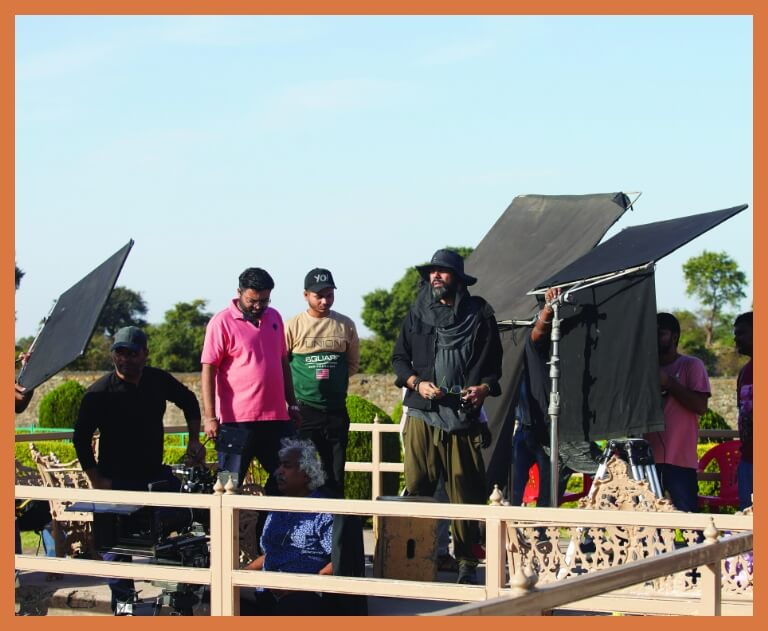
KEY HIGHLIGHTS
- Compact Yet Powerful – BURANO’s lightweight build supported a fast-paced, low-budget shoot.
- Colour Science That Connects – Rich skin tones and emotional depth elevated performances.
- Smart, Minimal Lighting – High sensitivity enabled efficient low-light setups.
- Speed & Cinema Quality – Handheld freedom with big-screen visuals.
- Dual ISO Advantage – Clean, noise-free night scenes even at higher ISOs.
For STHD, a story of hope triumphing over despair, I knew colour would be a key emotional tool. The BURANO’s smaller, lighter build made it perfect for a fast-moving, low-budget film. Its dual ISO and built-in ND filters were especially useful since I like varying apertures between shots to control depth of field. I started with IRIX lenses, which worked beautifully, but later shifted to Master Primes because the IRIX set was calibrated in meters, and my focus puller, used to working in feet, struggled with precision. Overall, the BURANO gave me the ideal balance of flexibility, speed, and image quality for this film.
Can you elabourate on how the camera handled natural light, skin tones, and colour reproduction during the shoot?
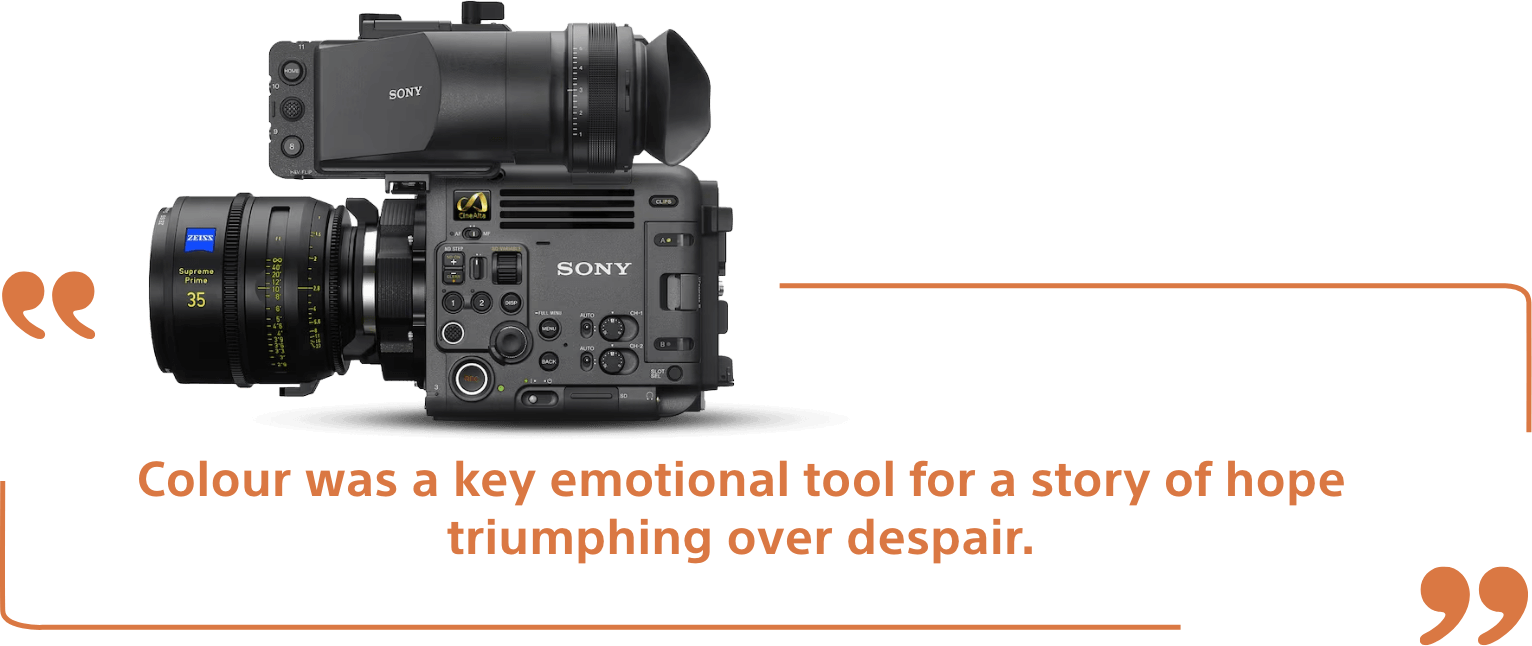
Shooting with BURANO is a bit like having a camera with night vision; it sees everything, even the stuff you’d rather hide. The workaround was to stop down to keep unwanted areas in shadow, light up the spots that went too dark, and throw in some NDs to balance it all, and of course, cross your fingers and pray to God. Well, that’s half a joke, BURANO worked perfectly well and delivered consistent, reliable results throughout.
How did the camera’s form factor and weight impact your on-set workflow, especially during handheld or dynamic shots?
BURANO is compact and a powerhouse, intended for small crews that must move fast but can't compromise on image quality or colour precision. Its well-thought-out features streamline every shoot, making it the go-to choice when speed meets visual excellence.
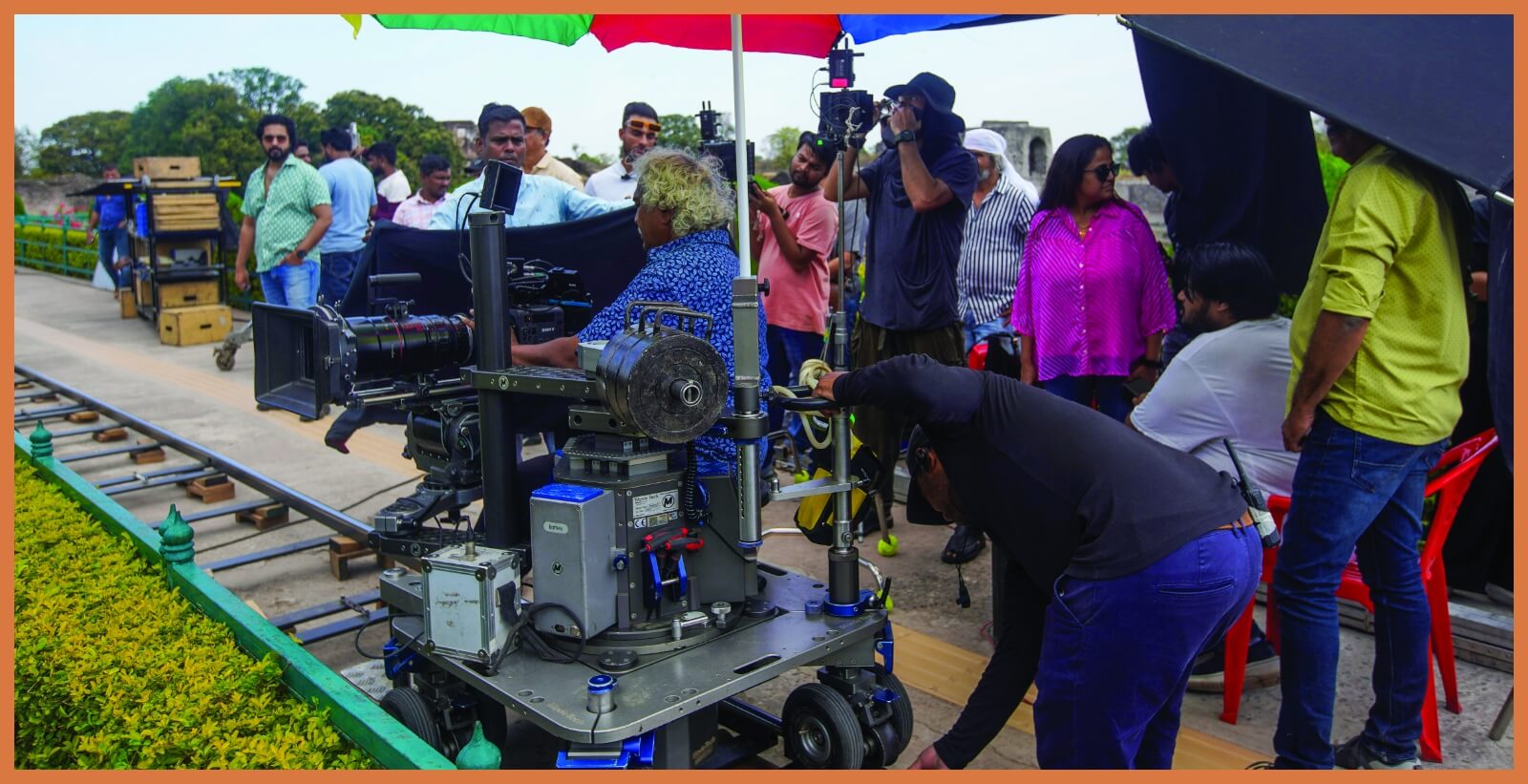
Can you describe your lighting approach for the film? Did the BURANO’s sensitivity allow you to experiment more with available light?
The story unfolds over a single night, and our chosen location has large east-facing windows. We initially considered shooting day-for-night, but budget constraints made that not a viable option. This, too, had its problems. The windows at night behaved like mirrors and reflected everything that was lit inside the house. The art department helped by using curtains, and I mostly lit by using overhead lights or lights on the floor hidden behind sofas and furniture to avoid reflections in the windows.
The BURANO’s sensitivity certainly helped in working with minimal setups.


Did the camera’s dual base ISO or other advanced features influence your exposure and lighting decisions?
Yes, we switched to the higher ISO mode multiple times, and the output remained consistently clean and usable. The dual base ISO was a genuine asset when working within a limited lighting budget.