Learn about the differences in sensor sizes and master the α

Image sensors are often referred to as the eyes of a digital camera. Different sizes affect not only image quality but also various other aspects. We will explain the characteristics of each sensor and introduce tips on how to use your camera to suit your subject and scene.
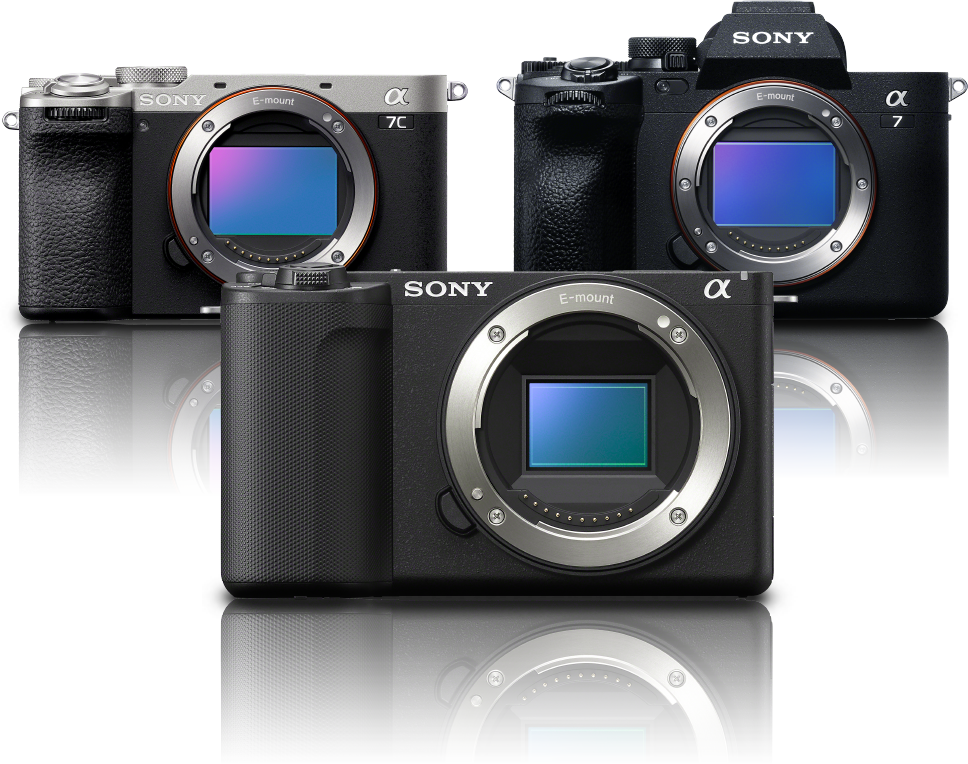
The image sensor of a digital single-lens camera is significantly larger than that of a typical smartphone
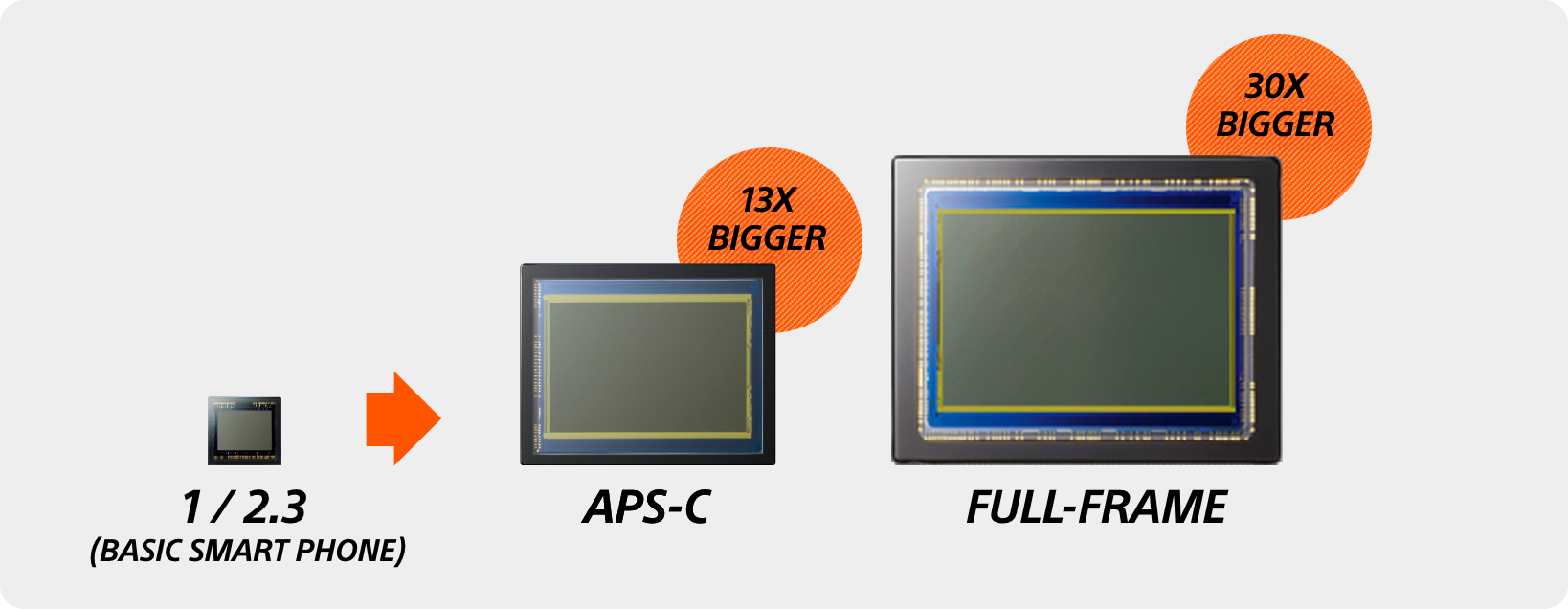
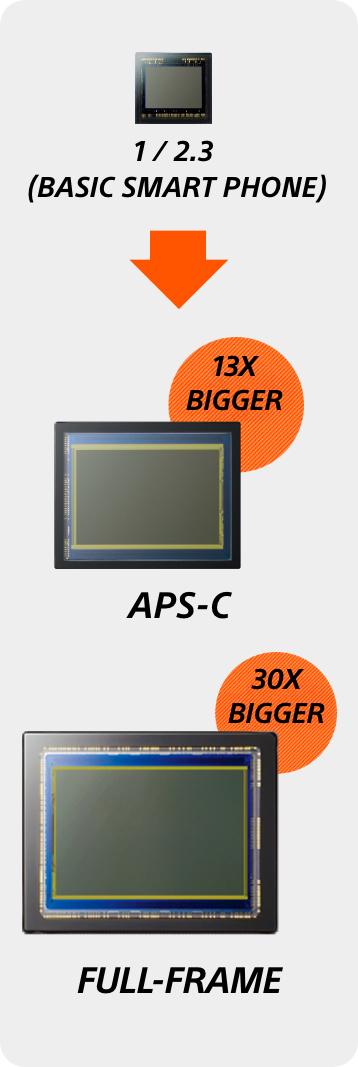
Most smartphones are equipped with sensors that are 1/2.3 inches in size. In comparison, the area of an APS-C sensor is approximately 13 times larger. The larger area per pixel allows the sensor to capture more image information , enabling higher image quality. Furthermore, a 35mm full-frame sensor has an area ratio that is approximately 30 times larger. This difference in sensor size affects six major points.






Angle of view
The image range changes depending on the sensor size
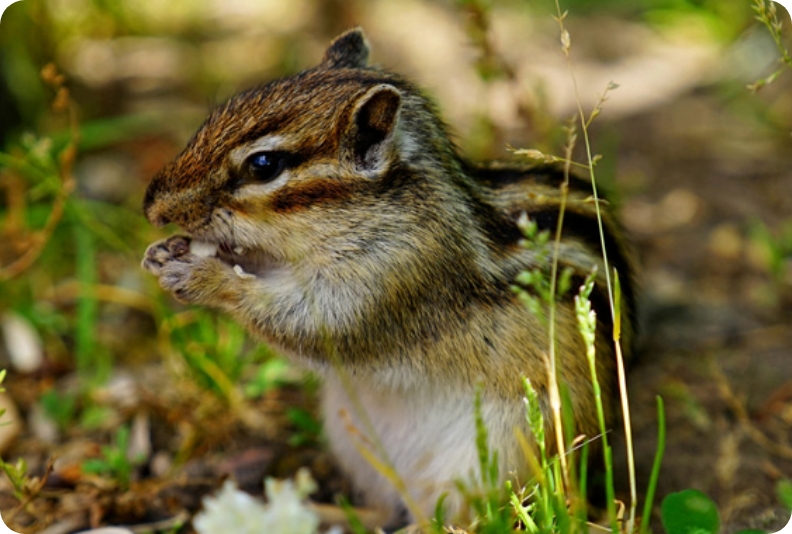
APS-C
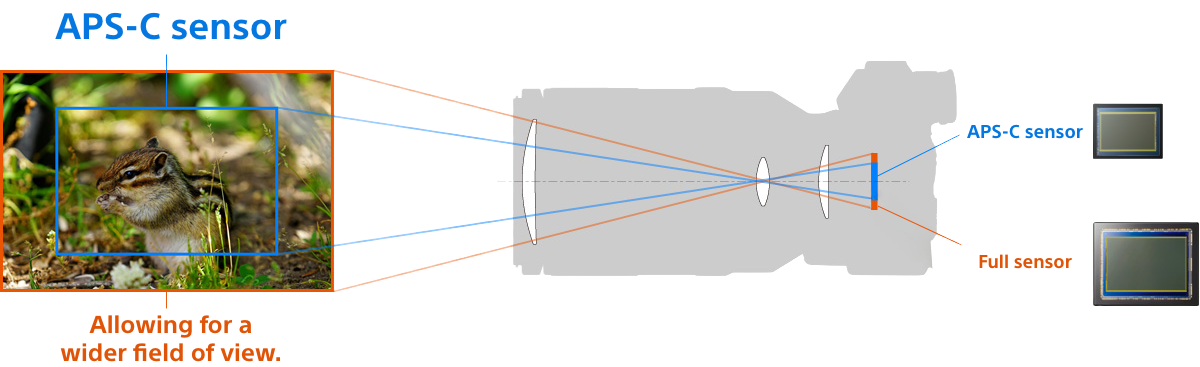
Compared to a 35mm full sensor, the range that can be captured is narrower, but the subject can be captured larger (the focal length image is approximately 1.5 times larger*)
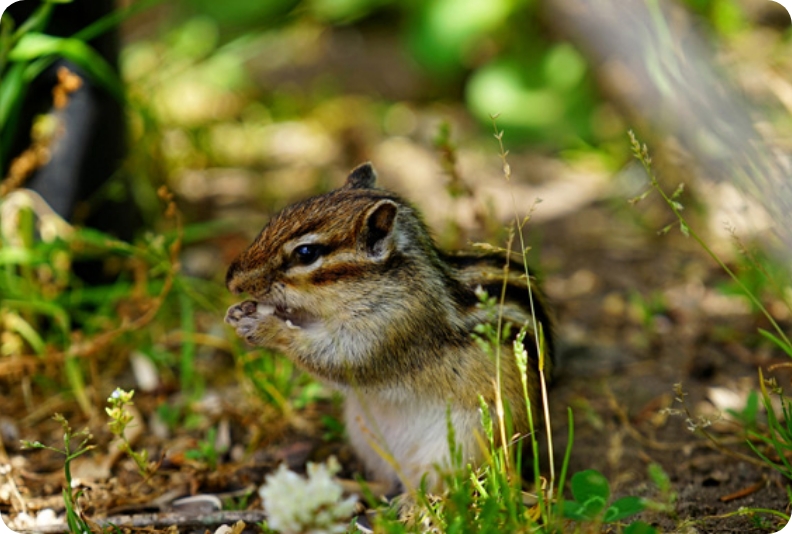
Full-frame
The sensor area is larger than that of an APS-C sensor, allowing for a wider field of view.
TIPS FOR EFFECTIVE USE OF APS-C
Telephoto allows you to get closer to your subject
- The focal length image is approximately 1.5 times larger in 35mm format, allowing telephoto shooting using a telephoto lens.
- Even professionals may choose an APS-C sensor model when photographing subjects they cannot get close to, such as wild animals or airplanes.
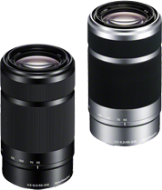
[Photographic lens]
E 55.210 mm F4.5-6.3 OSS
SEL55210 (35mm equivalent focal length 82.5-315mm)
Product Information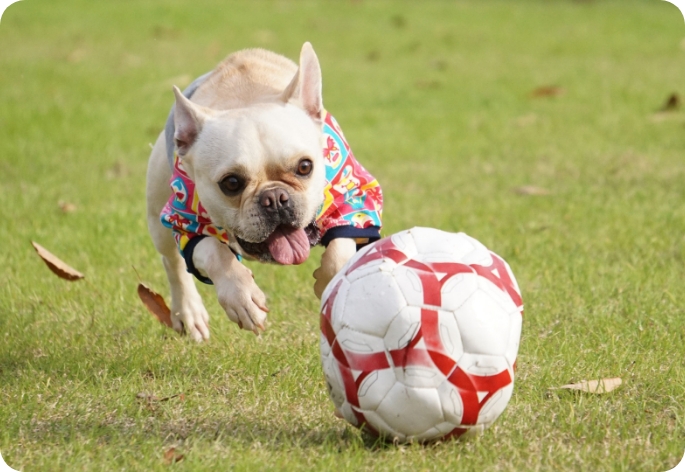
Amount of Bokeh
The larger the sensor, the more bokeh there will be
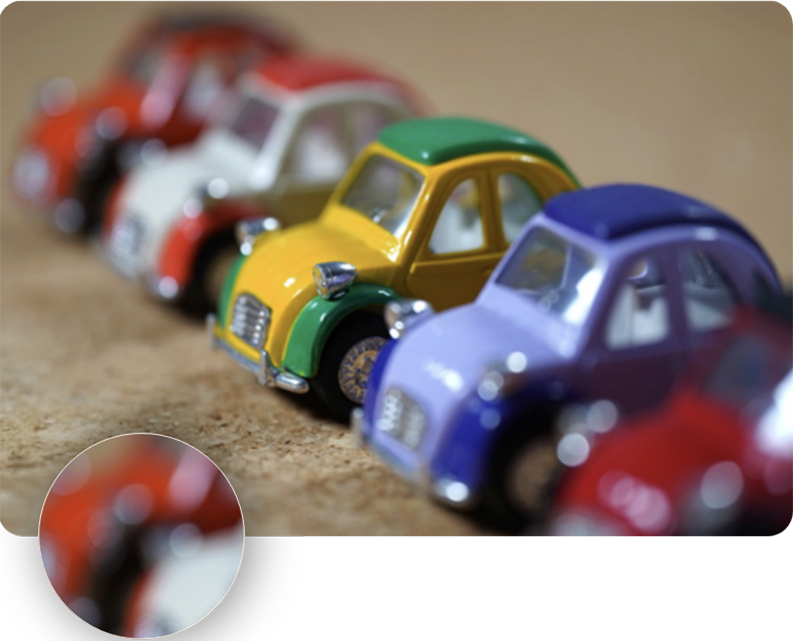
APS-C
When capturing the same area, the amount of bokeh is less than with a 35mm full-frame sensor.
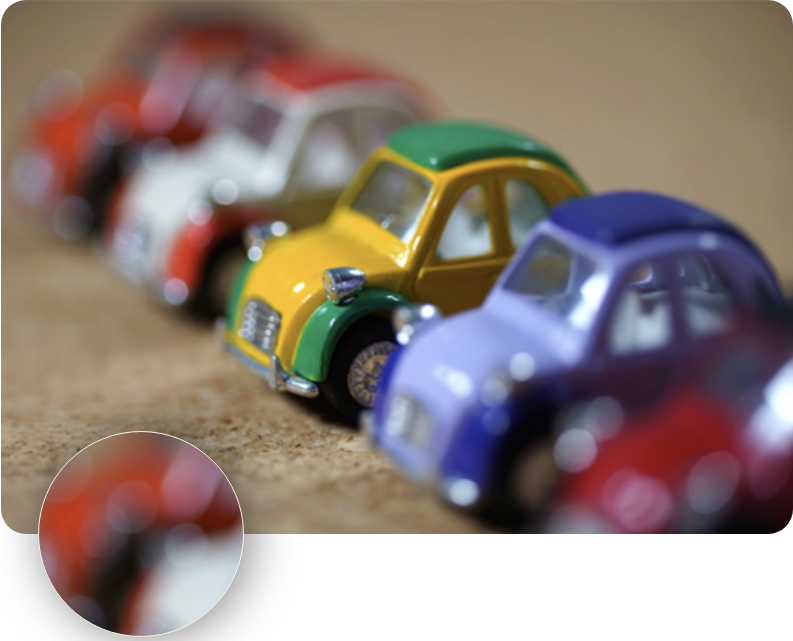
Full-frame
More bokeh
than APS-C sensors
TIPS FOR EFFECTIVE USE OF APS-C
A bright lens creates more bokeh
When you want to bokeh the background more with an APS-C sensor
- Uses a bright prime lens with a small F-number
- Set the camera’s aperture value (F-number) to a small value
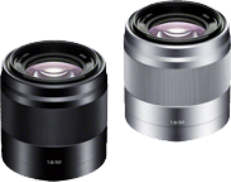
[Photographic lens]
E 50 mm F1.8 OSS
SEL50F18 (35mm format equivalent focal length 75mm)
Product Information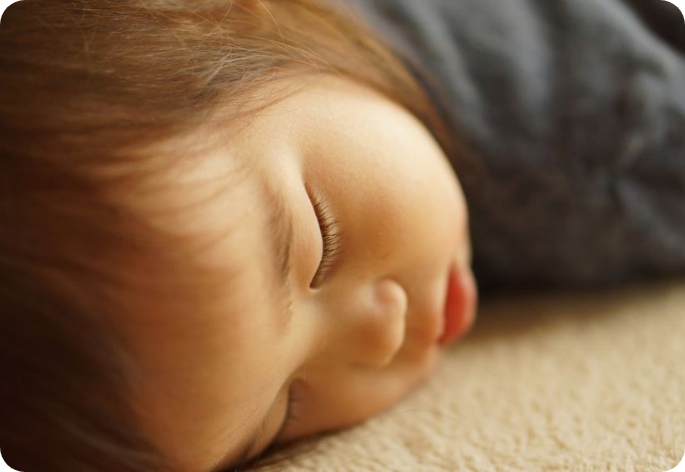
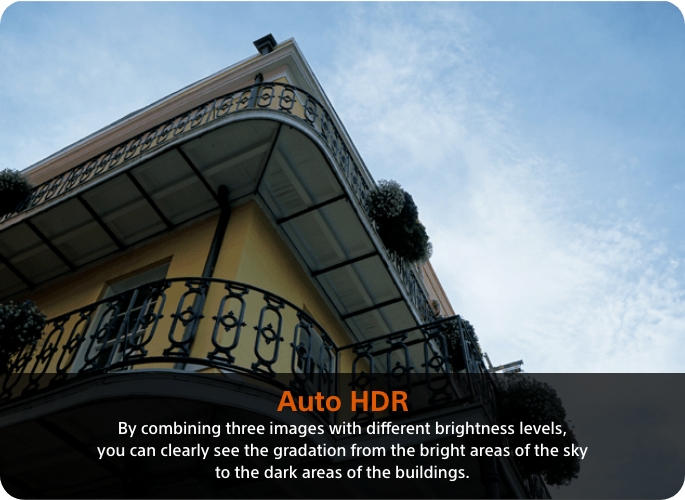
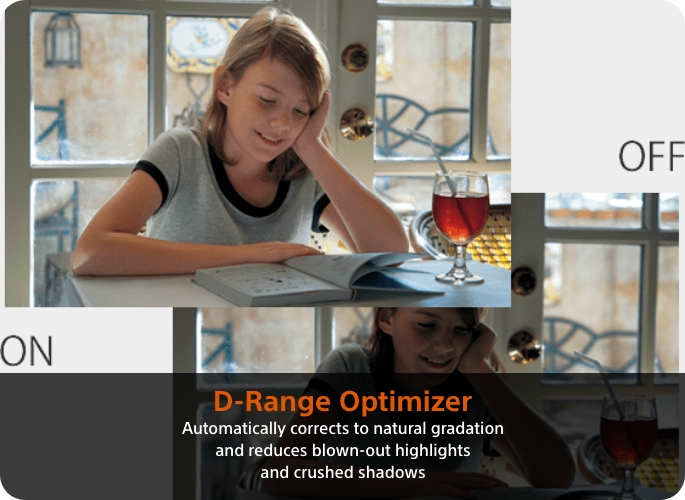
Details in the dark areas
The larger the sensor, the richer tonal expression.
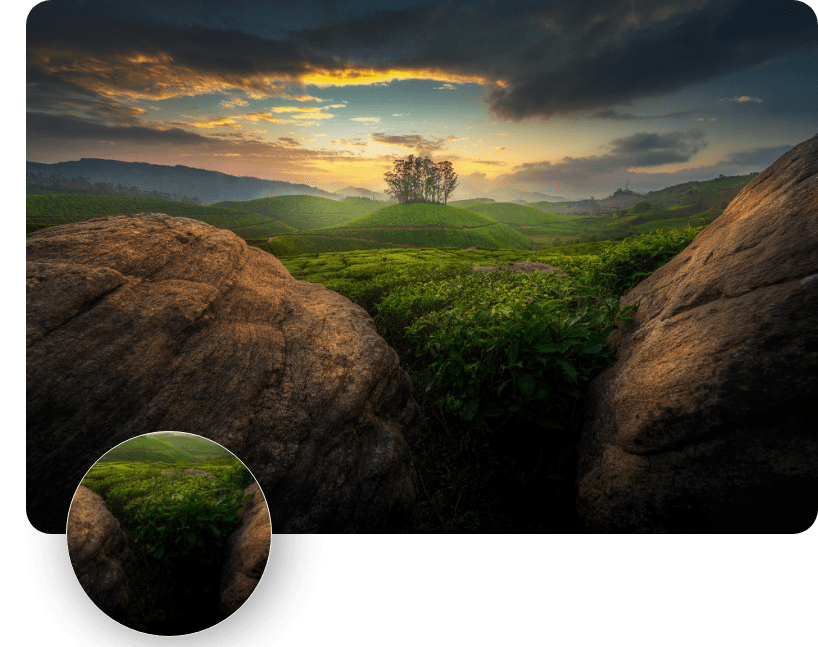
APS-C
Although the gradation is sufficiently expressed, in scenes with strong light and large contrast, whiteout and blackout are more likely to occur than with a 35mm full-frame sensor.
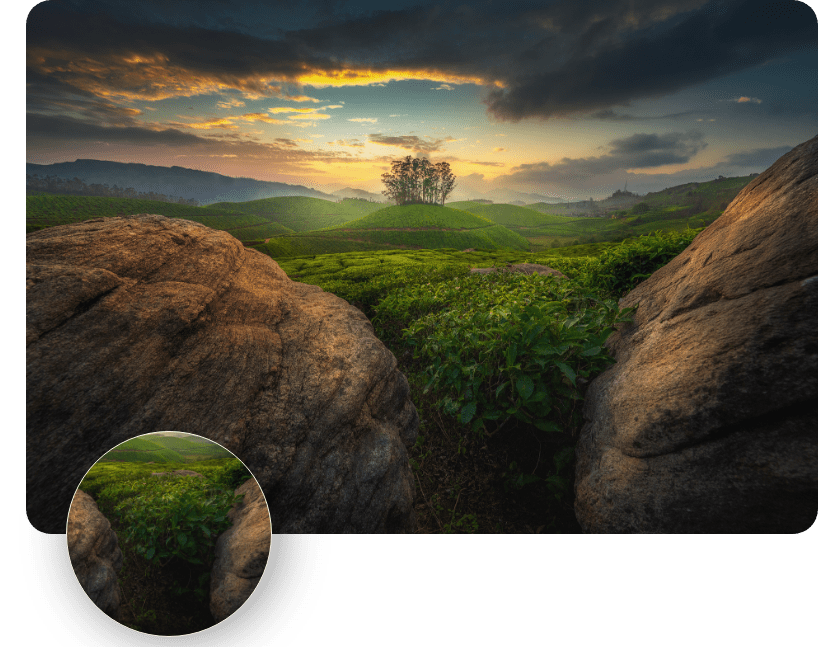
Full-frame
Rich gradation expression in sunset scenes , etc. Even in scenes with large contrast between light and dark, white blowout and black crush are suppressed.
Low-light performance
The larger the sensor, the clearer the dark scenes
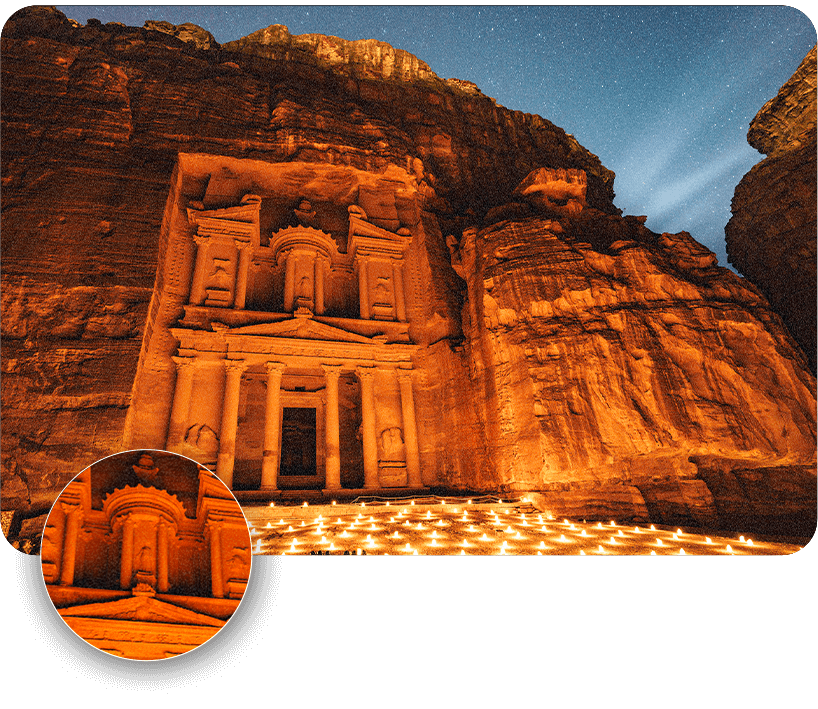
APS-C
Even the APS-C sensor can capture enough light, so even dark scenes are vivid.
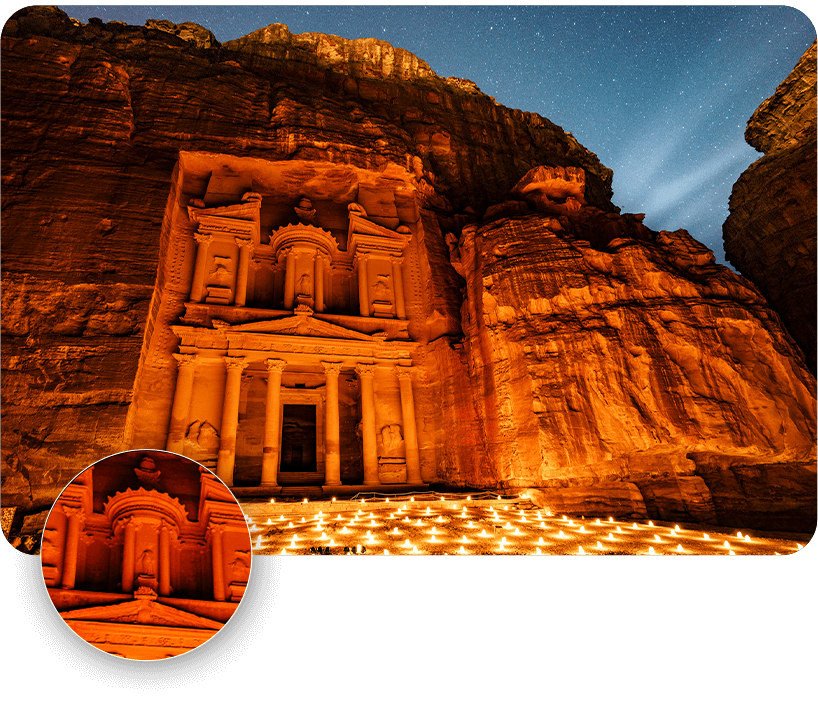
Full-frame
The large sensor size allows more light to be captured, reducing noise and capturing fine details.
TIPS FOR EFFECTIVE USE OF APS-C
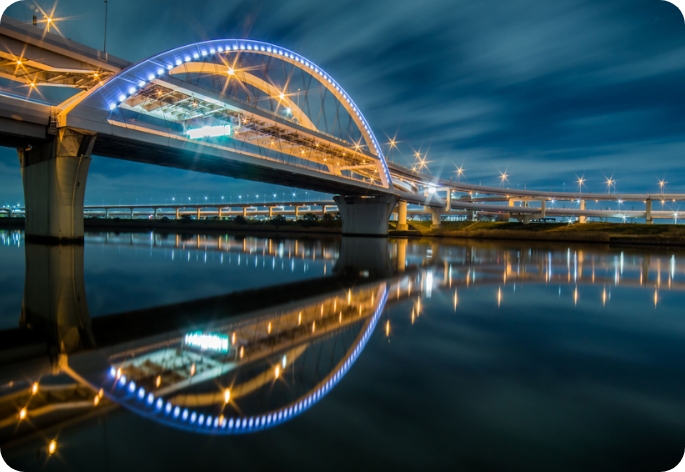
Reduce noise and capture beautiful night scenes.
How to capture dark scenes vividly with an APS-C sensor.
- Use a tripod and don’t raise the ISO too much
- Set the camera’s aperture value (F-number) as small as possible and the shutter speed to a slow value.
- Use the self-timer to reduce camera shake.
Size and weight
The weight of the body changes depending on the sensor size.
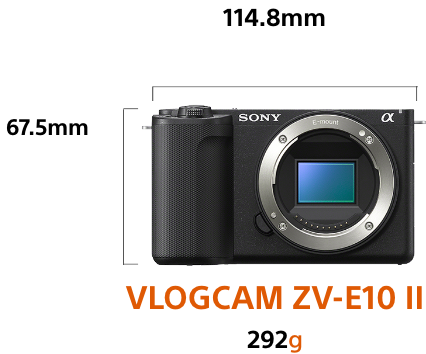
APS-C
It is lightweight and compact because it is optimally designed to match the sensor size , and when combined with a lens, it also offers excellent mobility as a system.
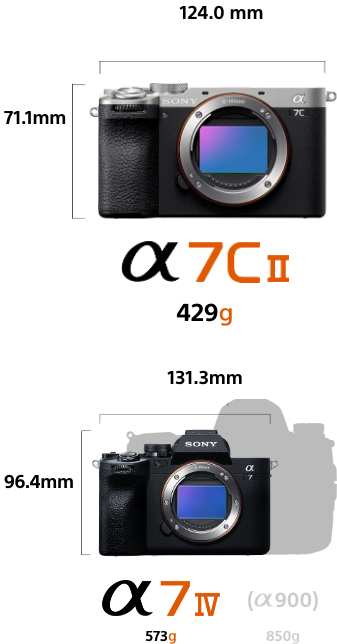
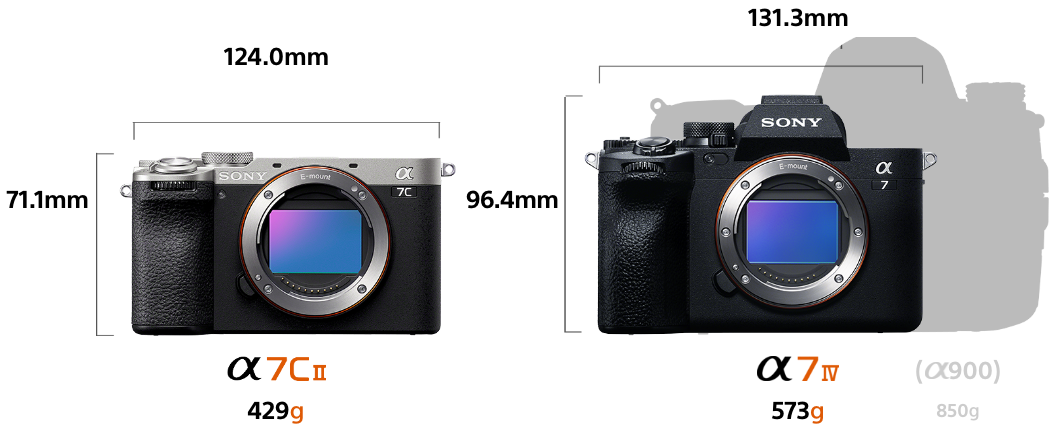
35MM FULL FRAME
Even though it has a 35mm full-frame sensor, it is a mirrorless camera, so it is lighter than a typical SLR camera. It tends to be slightly larger and heavier than an APS-C sensor model.
Interchangeable lenses
Lens size changes depending on sensor size
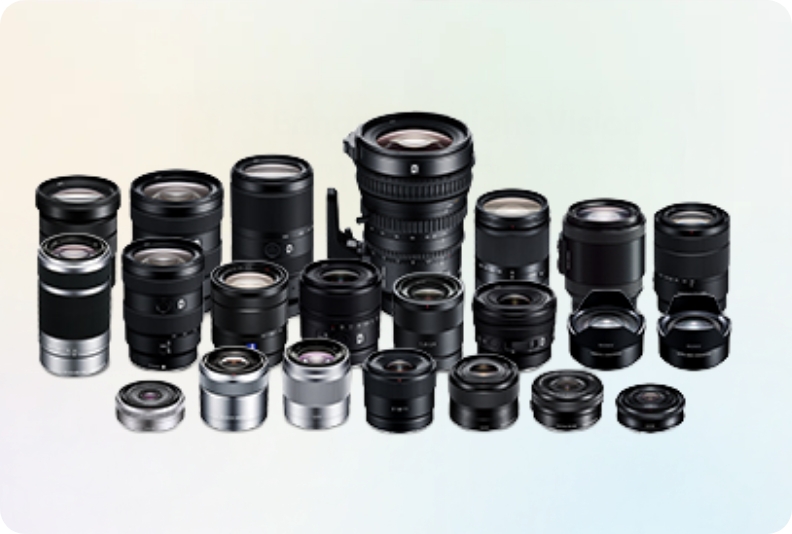
APS-C SENSOR LENSES
Designed to fit the sensor, it is as lightweight and compact as the camera body , allowing you to build a highly mobile system at a reasonable price.
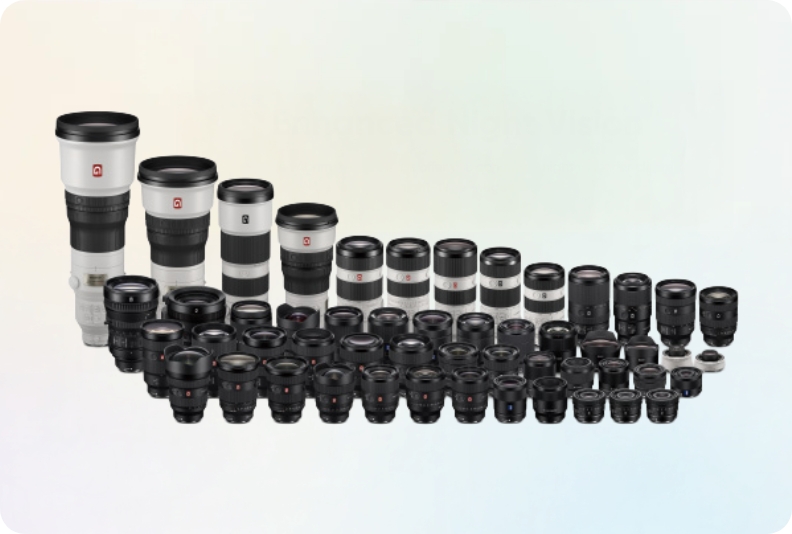
35MM FULL-FRAME LENS
Compared to lenses for APS-C sensors, the sensor size is larger, so lenses tend to be larger as well. Designed to maximize the image quality of a 35mm full-frame sensor.
How to distinguish between APS-C sensor lenses and 35mm full-frame lenses
If the letter at the beginning of the product name is “E”, it is for APS-C sensors, and if it is “FE”, it is for 35mm full-frame sensors.
APS-C
E PZ 18-105 MM F4 G OSS
35mm
FE 24-105MM F4 G OSS
TIPS FOR EFFECTIVE USE OF APS-C
FE lenses can be used on APS-C sensor models
- 35mm full-frame lenses (FE lemses) can also be used on APS-C sensor models.
- By utilizing the extensive lineup of FE lenses, you can further expand the scope of your expression.
- If you are considering a lens, why not consider an FE lens with an eye on stepping up to a 35mm full-frame sensor model?
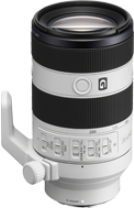
[Photographic lens]
FE 70-200mm F4 Macro G OSS II
SEL70200G2 (35mm format equivalent focal length 105-300mm)
Product Information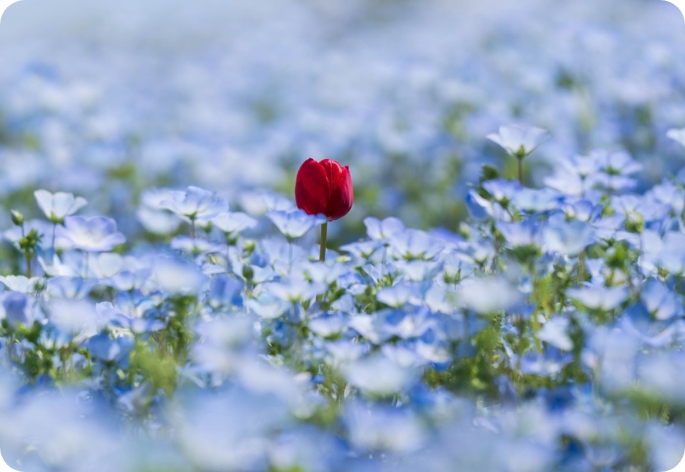
Summary
It’s important to choose the sensor size that matches the subject and scene you want to shoot.
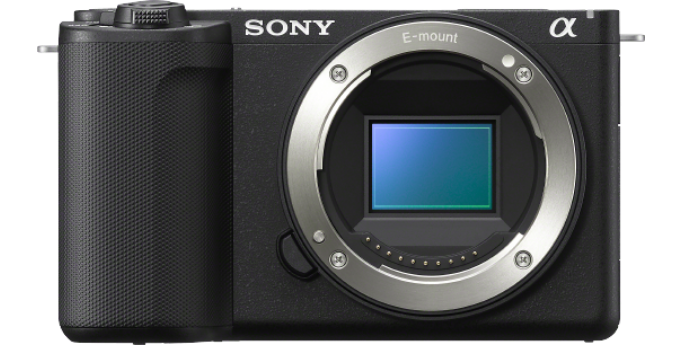
APS-C
With a balance of image quality and mobility - APS-C sensor
- Useful for telephoto shooting
- Lightweight, compact and excellent mobility
- The system can be built reasonably
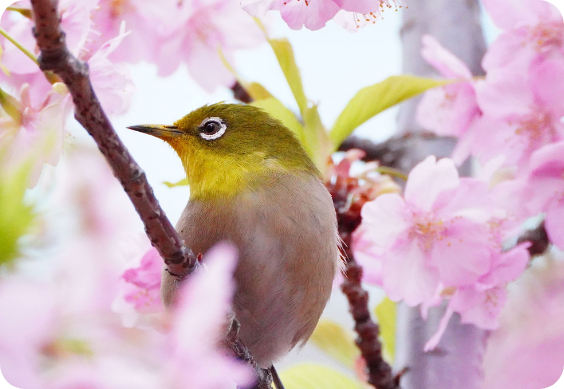
For telephoto photography of airplanes and wild birds
αcafe Nyakichi’s work
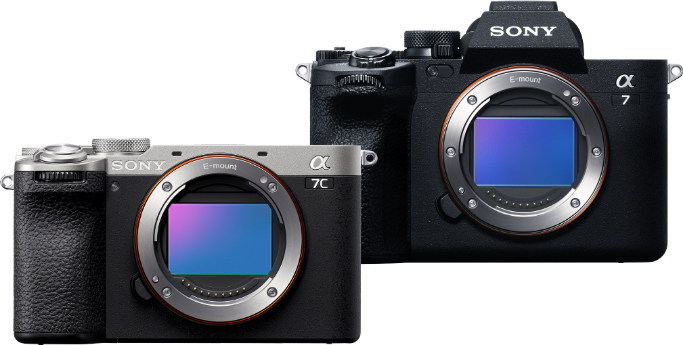
35MM FULL FRAME
If you are particular about expressiveness 35mm full-size sensor
- Suitable for wide-angle expression
- Suitable for blurry expression
- Rich in grade expression
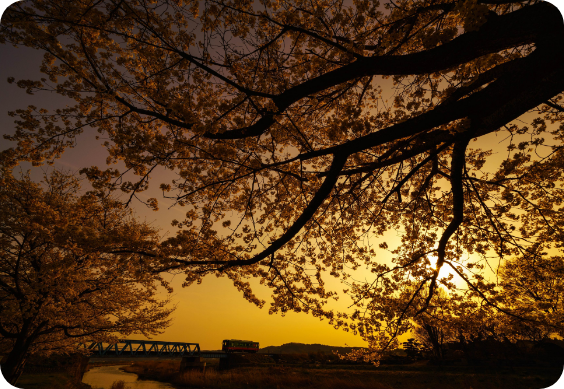
Scenery, night view, etc. that you want to express delicately
αcafe toshiboo’s work
The APS-C sensor model, which has a small body and lightweight lens, is easy to carry for travel and mountain climbing, and can build systems that you want to rely on telephotos, such as airplanes and wild birds, at a relatively low cost. On the other hand, the 35mm full-size sensor model has a slightly larger body, but it is possible to take beautiful photos with high definition and blurry taste. If you are thinking of stepping up in the future, why don’t you consider a 35mm full-size sensor model? Choose the sensor size according to the subject and shooting scene, and enjoy the photo in your own style.